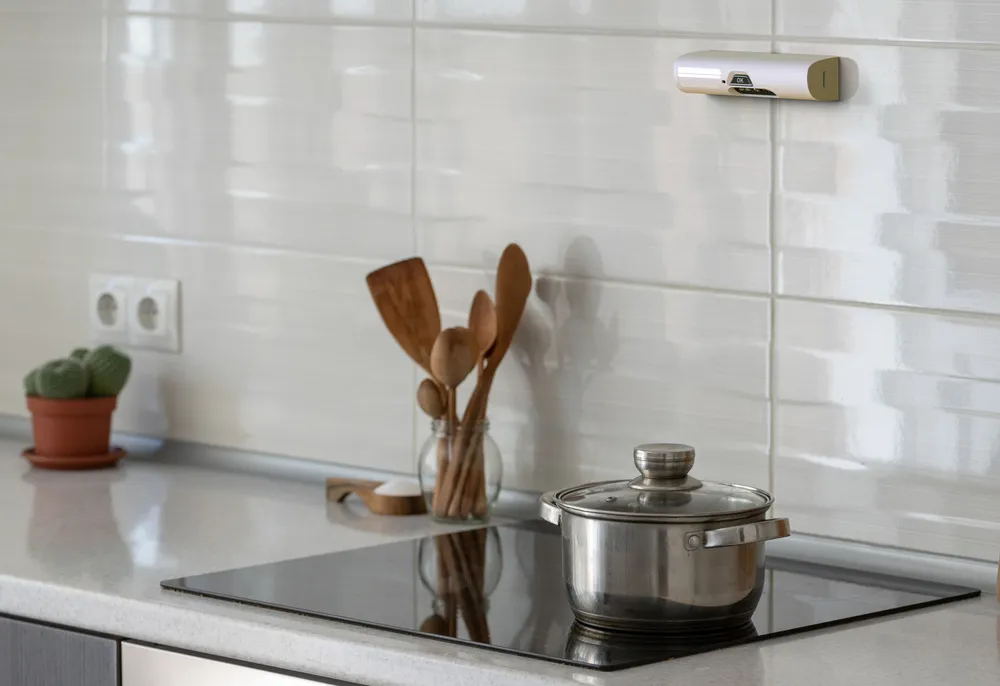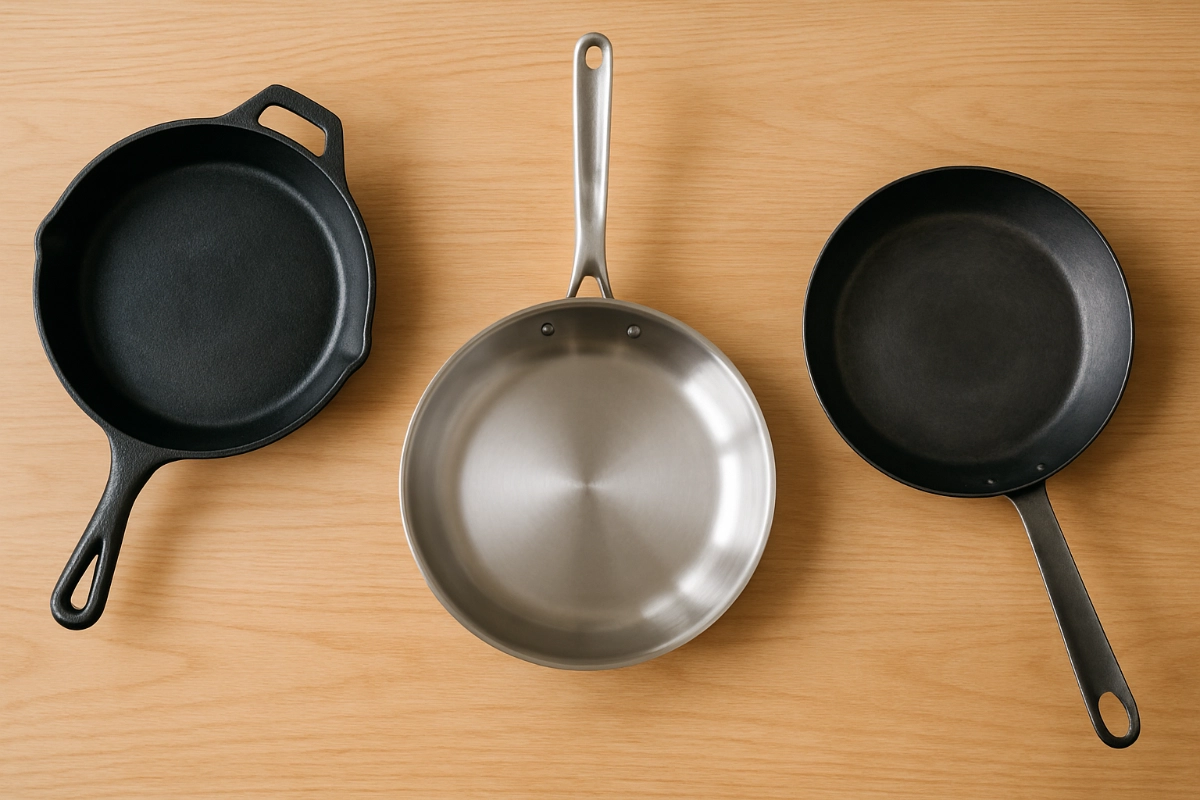
The safest cookware for induction hobs: what to look for and what to avoid Most guides to induction cookware focus on compatibility — whether a pan will work at all. This one focuses on something more important: which choices make cooking on an induction hob safer, and which introduce risks that are easy to overlook.

Elderly kitchen adaptations: how to create a safer kitchen for older adults People naturally want to remain living independently for as long as possible, preferring to “age in place” in their own homes rather than moving into residential care. This is understandable, not least because statistics show that life expectancy for care home residents is
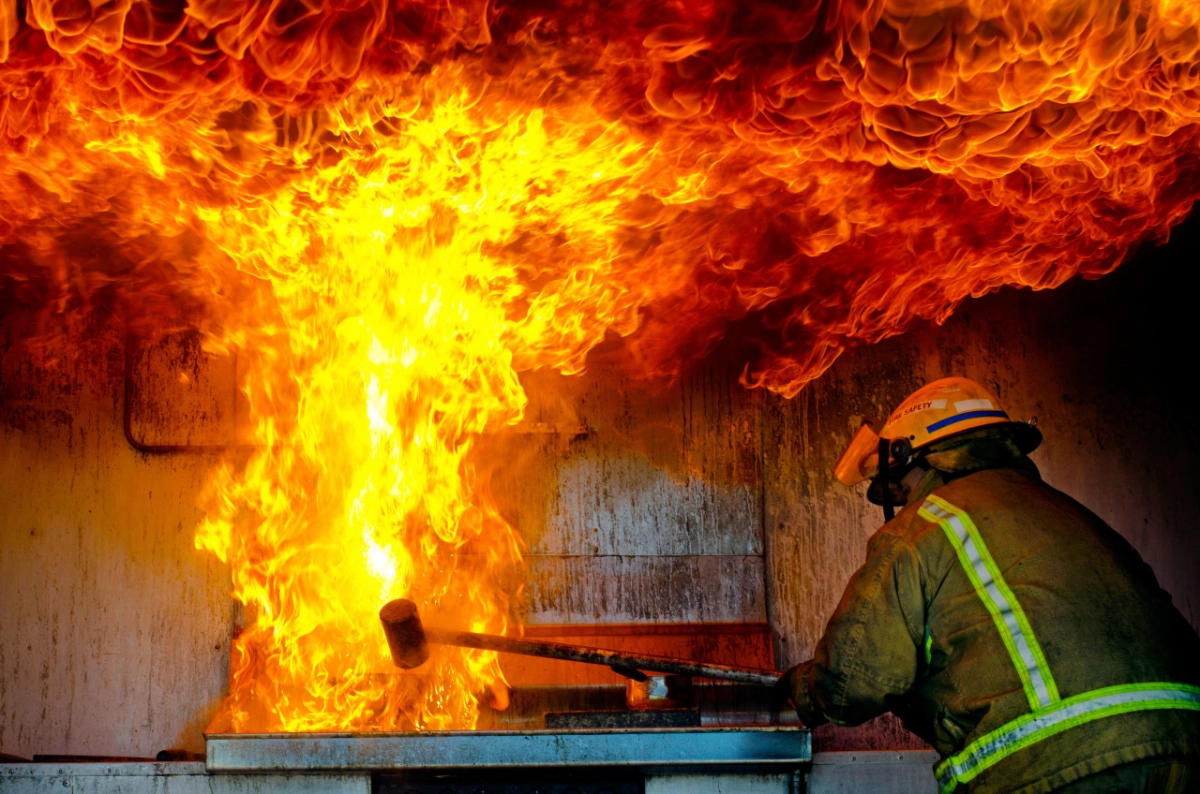
Preventing fires on induction hobs Induction hobs are efficient, responsive, and increasingly common in UK kitchens. They heat pans quickly, offer precise control, and are generally safer than older electric rings. However, when cooking with oil, the very speed that makes induction attractive can also introduce risk. Oil temperature can rise rapidly with very little
Kitchen fires are one of the most disruptive incidents that can happen at home. Even if injuries are avoided, the aftermath can be serious: smoke damage, temporary loss of cooking facilities, and sometimes the need to move out while repairs are completed. For older adults, that disruption can quickly become a health issue. Cooking routines
Fire safety law isn’t just for hotels and larger operators; if you accept paying guests – whether that’s a spare room on Airbnb, a small B&B, or a holiday cottage – then it applies to you, too. In England, two things now sit at the heart of fire safety guidance for small paying guest accommodation:
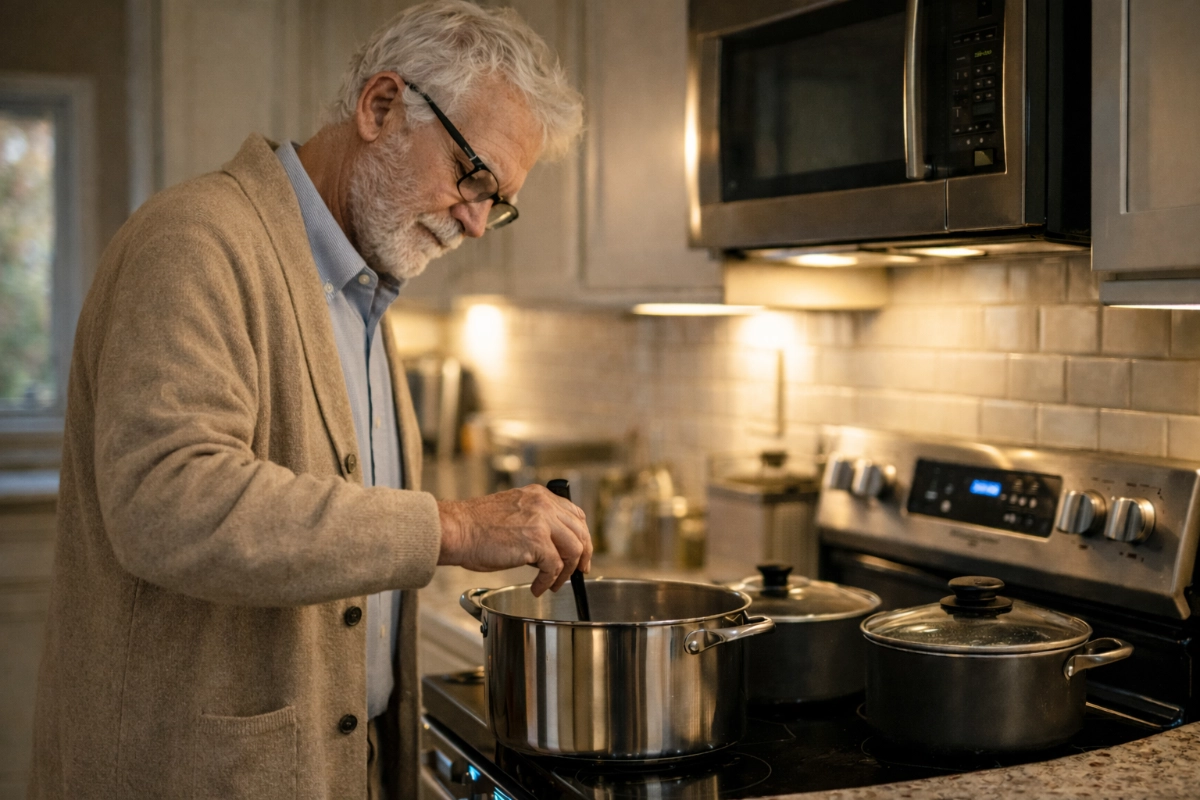
Why kitchen safety matters for independent living If you have an older relative or friend who is becoming more forgetful or easily distracted, you may be quietly worried about them cooking on their own. At the same time, you know how important it is for them to keep their independence and daily routines. The kitchen
Why student kitchens are different Student lifestyles and inexperience frequently make for risky cooking habits. Often living away from home for the first time, students are without parental oversight, and many won’t have much experience in the kitchen. Add the party nights into the mix, and it’s no wonder the fire services were once regular
Fire safety is evolving. For decades, the focus was on suppression—extinguishing flames after they start. But modern fire strategy is shifting to something far more effective: prevention. At the heart of this transformation are BS EN 50615-compliant devices, which offer intelligent, pre-ignition intervention. This post explores why suppression alone is no longer sufficient, and how
For those working in construction, fire safety can mean the difference between compliance and catastrophe. When it comes to kitchen fire prevention, stove guards stand out as one of the few technologies that proactively prevent fires rather than merely detecting or suppressing them. Stove guards are becoming increasingly more important for architects, fire designers, M&E
In the serene expanse of the UKs rural landscapes, picturesque villages and hidden hamlets dot the countryside. These areas offer tranquility and charm but also present unique challenges for emergency services, particularly when it comes to responding to domestic cooking fires. The UK fire services encounter a range of difficulties while attending such incidents in remote and hard-to-reach areas. This blog delves into the intricacies of these challenges and sheds light on the efforts made by fire services to mitigate them. Lets read on.
Airis technology works reliably in all situations, thanks to more than a decade of research, development, and real-world use, but we are often asked why Airis is so much better than other stove guards. Well, you are in the right place if you are wondering the same thing! We’re the industry experts in stove guard technology, and there is a good reason why we only supply Airis. Aside from its versatility and robustness, this has a lot to do with its advanced sensor technology that puts it leagues ahead of any other stove guard on the market. Keep reading if you want to find out for yourself!
Induction hobs are often marketed as the safest way to cook. And in some ways, they do offer obvious advantages—they heat quickly, there’s no open flame, and they only work with compatible cookware. But here’s the uncomfortable truth: they’re also the most dangerous type of hob you can use. Before we explain why, let’s take
Are hob timers good enough for vulnerable people? As a carer or relative, you will likely have many concerns about hob safety and the people under your care. Hob fires are almost always caused by human error and this risk is greatly increased in elderly and disabled users. So, it’s never a bad thing to install a safety device to protect those in need and prolong their independence. We have the details on hob timers and an alternative solution that offers the ultimate protection.
There is an abundance of information out there on stove guards and it’s easy to get yourself in a twist, so you may be wondering exactly what a stove guard is and how it can help you. Is it a protective mat to stop spills? A set of knob covers to prevent children turning them? A surrounding barrier to prevent easy access to the hob rings? They are all known as stove guards in a loose sense, but they are not really what we are talking about here. Find out here about something far more intelligent and far less inconvenient.
Younger adults rightly want to enjoy their new-found independence and the university social life. New friends, new streets and cities to explore, new jobs to work, new schedules and responsibilities, and a head full of new ideas and expectations as they face the social and academic challenges of new environments. It is unlikely their minds are on the stark realities of fire safety in the kitchen while they are experiencing the adventures of a rich new world. So how do we raise awareness and prevent fires without inhibiting their newfound freedom? Can a balance be struck? Or perhaps there is something better all together we could be doing.
The Finns have been clued up on intelligent fire safety for years, but we’ve been a little slow off the blocks here in the UK. Fortunately, the technology started becoming more widely used since we at Unicook introduced it in 2014. We recognised there was a glaring deficiency in the capabilities of existing fire safety devices and we thought it was time to raise the bar and save lives with this modern, proactive technology. So, why is Airis a ‘next generation’ stove guard? Well, we have the answers right here in 12 simple points. So, let’s take a look.
You may well be wondering, what is proactive or reactive safety? Well, look no further, we have the answers to all your questions! It may not help win the pub quiz, but it will certainly help you better understand your home and how it is protecting you from those life-threatening risks.
Cooking with any hob type can quickly get out of hand. So, why shouldn’t we do it safely? After all, a whopping 50% of home fires start in the kitchen, most of which are from the stove, simply because heating oil to a high temperature can be a risky business if things go wrong. Let’s have a look at how to reduce that risk.
About 60% of all accidental fires in the home start in the kitchen. They kill or injure nearly 20 people every day in the UK, that’s 7300 people a year! So how can we prevent kitchen fires and spend more time doing what we love? Luckily, we have some tips for you right here. Check them out here…
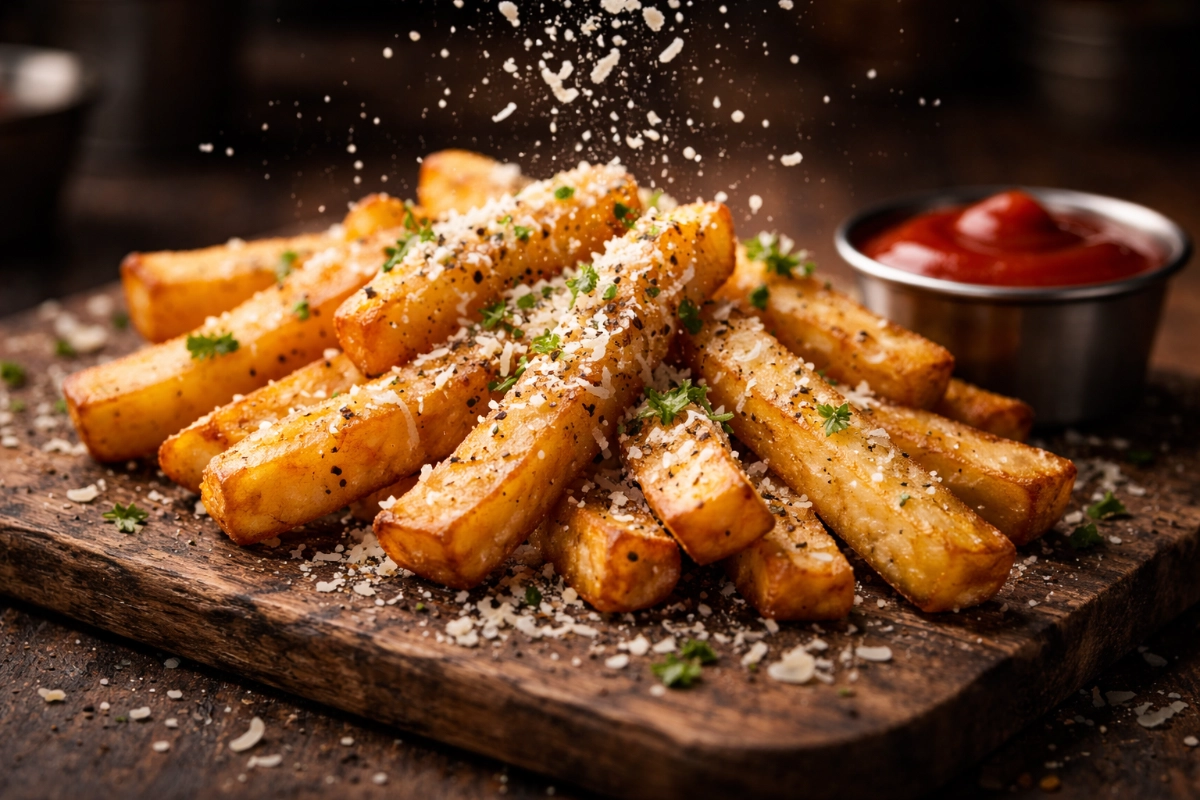
It goes without saying that chips are one of the nation’s favourite sides or quick bites. Ketchup, mayo, BBQ, piri-piri, cheesy-chips, even curry sauce, the choice is endless. And they’re once, twice, even thrice cooked: the more the merrier! However they come nothing beats a good chip. We love them. Sitting around a table with friends and family, sharing good food and great memories. But how do you cook them at home?
The European stove guard Standard BS EN 50615 has been in force since 2015, helping consumers identify effective cooking safety products, but in reality few conventional products actually meet the standards set out by the European Committee for Electrotechnical Standardisation, let alone exceed it. Lets look at the standard in detail and find out what it means for stove safety devices.
False fire alarms aren’t harmless. Learn why cooking smoke triggers callouts, how repeated alarms cause complacency, and practical ways to reduce disruptions—especially in flats and care settings.
Fire Risk Assessments are a legal duty for UK landlords. Learn who is responsible, what must be covered, and how to stay compliant while reducing fire risk.