
From suppression to prevention:how BS EN 50615 devices support modern fire strategy
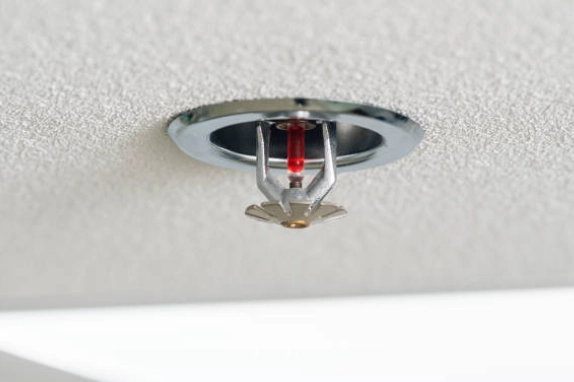
Fire safety is evolving. For decades, the focus was on suppression—extinguishing flames after they start. But modern fire strategy is shifting to something far more effective: prevention. At the heart of this transformation are BS EN 50615-compliant devices, which offer intelligent, pre-ignition intervention.
This post explores why suppression alone is no longer sufficient, and how Unicook’s Airis Sense stove guard combines forward-thinking, performance-based design with real-world reliability.
The Limitations of Traditional Fire Suppression Systems
While effective in some settings, traditional suppression systems, such as sprinklers, fire extinguishers, and suppression hoods have critical downsides:
- Delayed Activation – They only respond after a fire is well established.
- Secondary Damage – Water or chemical extinguishers can cause extensive damage even during successful suppression.
- Disruption – Cleanup, system resets, and displaced occupants create avoidable stress. Most importantly, none of these methods actually prevents the trauma of a fire incident—they simply try to clean up afterwards.
The Case for Pre-Ignition Protection

Stove guards take a very different approach.
Using multiple sensors, they detect risk before ignition and automatically shut off the hob. No fire. No damage. No need to react—because the danger never materialises. Stove guards in the Airis product range even use advanced, AI-powered algorithms to maximise the effectiveness of this approach.
Benefits of early intervention:
- No fire to extinguish = no mess to clean
- Ideal for vulnerable and high-risk residents (e.g. elderly, students, supported housing)
- Reduces false alarms and fire service callouts Explore how Airis Stove Guard prevents kitchen fires before they start.
Real-World Scenarios Where Fire Was Prevented

Here are a few examples of how we’ve seen pre-ignition protection in action:
- A distracted tenant leaves a pan heating on the ‘boost’ setting. The rising temperature and absence of cooking activity is detected; Airis shuts the hob off automatically.
- A resident walks away from an active burner. No response from smoke alarms, but Airis intervenes.
- Student accommodation blocks see a huge drop in false alarms, thanks to the usage of a smarter system that only acts when risk thresholds are met. These stories don’t grab headlines—but that’s exactly the point. Airis has been carefully designed, engineered, and tested to ensure that it doesn’t false alarm or interrupt the user’s normal cooking: it only intervenes when strictly necessary.
Why BS EN 50615 Certification Is Key
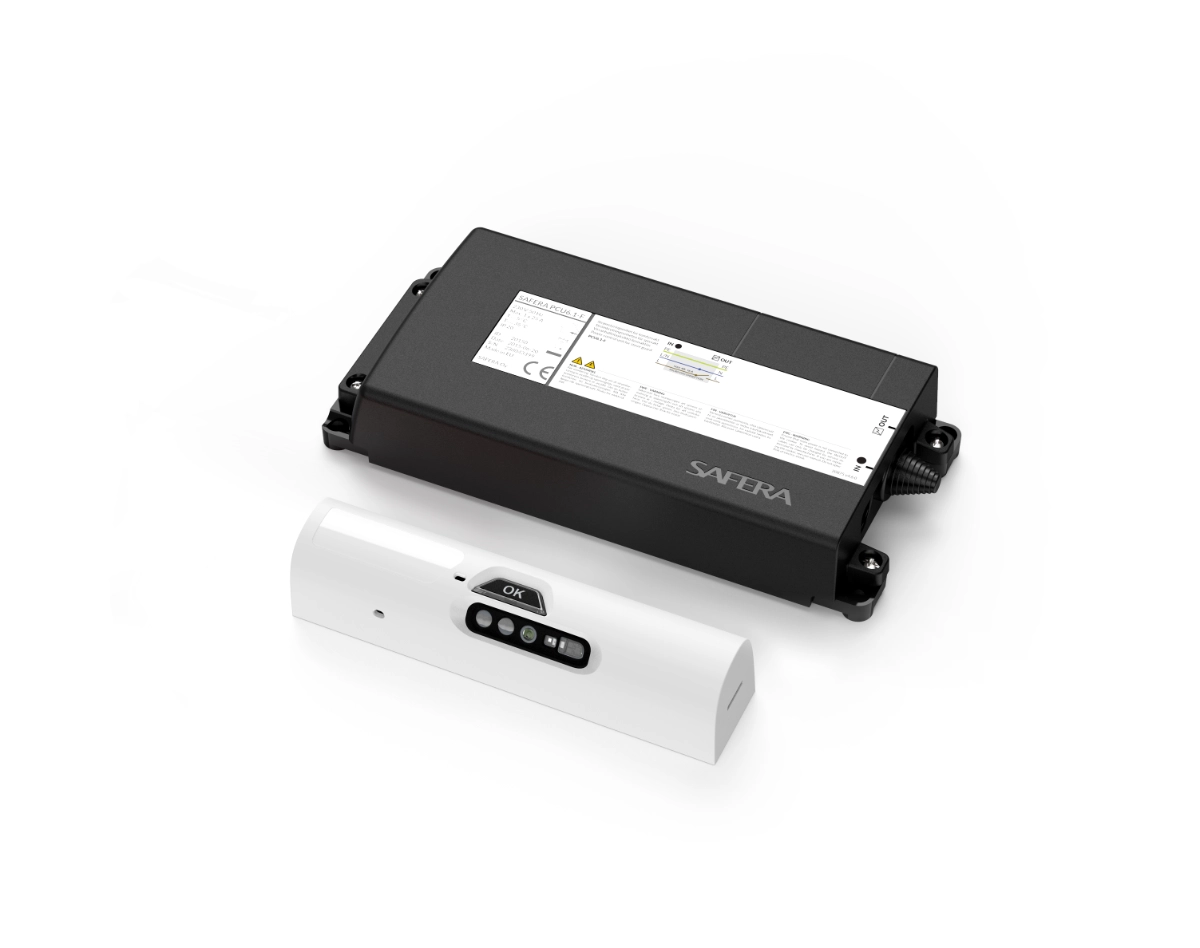
BS EN 50615 sets the benchmark for pre-ignition fire prevention in kitchens.
To comply, devices must:
- Reliably detect cooking anomalies before ignition
- Automatically cut power to the hob
- Continue operating despite obstruction, tampering, or wear Unlike generic single-sensor products, Airis leverages multisensor data and AI processing to provide dependable safety in real-world environments, exceeding the criteria for Category B: prevention of ignition. It is the only independently certified AND completely fail-safe system available in the UK.
Learn more about Airis technology and certification.
Stove Guards in Performance-Based Design
In performance-led fire strategies, flexibility is vital—and so is cost-efficiency.
Stove guard systems support smarter design by:
- Eliminating the need for costly maintenance-dependent suppression systems
- Reducing sprinkler system activations by 50% and preventing boilovers (fireballs) created by water from sprinkler systems hitting hot oil
- Helping justify code-compliant variations in high-risk areas
- Demonstrating proactive risk management to insurers and regulators For specifiers and housing providers, this means achieving compliance without over-engineering—and, crucially, without sacrificing resident safety.
See our case studies on how Airis supports fire safety in general residential and student accommodation:
At Brunel University of London, all halls of residence with electric cookers are equipped with Airis stove guards in the campus kitchens to reduce the risk of cooking-related fires and prioritise the safety of our students. Their installation has significantly lowered the risk of fire incidents and greatly reduced the number of false alarms, preventing unnecessary evacuations and enhancing the overall student experience at Brunel.
Paul Digby, Fire Safety Advisor
We selected the Airis BS EN 50615 system for the Hallsville Quarter development for its widespread use across the UK as well as its reliability and fail-safe design. With cooking fires accounting for approximately 50% of domestic fires, the system significantly enhances safety across the development. By preventing fires at their source, we’re also reducing the likelihood of sprinkler systems being unnecessarily triggered, minimising potential water damage and disruption to residents.
Marc Campbell, Hanover Building Services
During the trial period the student accommodation kitchens involved had just one false alarm activation. In the same period in the previous year, these premises had eleven false alarm activations. So, the early intervention of the Airis stove guards has contributed to a substantial reduction of unwanted false alarm activations and unnecessary evacuations.
Nick Greenwood, Fire Safety Manager
By preventing cooking fires and reducing smoke, students are safer and less likely to experience false alarms. Frequent false alarms can increase risk by causing ‘alarm immunity’, where students become desensitised and fail to react appropriately. The Airis from Unicook is certified to BS EN 50615 and was chosen for its high reliability, robustness, and fail-safe design.
Andy Littlejohns, Hoare Lea Ltd
Conclusion: Prevention Is the New Standard
It’s time to rethink fire safety. Reactive solutions like suppression still have their place, but prevention is better.
Stove guards certified to BS EN 50615 don’t wait for fire to start—they stop it from happening in the first place. With Unicook’s Airis range, pre-ignition protection is now smarter, more reliable, and easier to integrate than ever.
Take the Next Step
Looking to enhance your fire strategy with pre-ignition protection?
- Contact us to discuss your project
- Request a tailored quote
- Explore technical documentation