
Can hob timers really keep vulnerable people safe? Here’s a better alternative
- domestic fire safety
Kitchen fires are one of the most common domestic fire risks in the UK[1], and they are frequently caused by everyday human error: distraction, forgetfulness, or leaving cooking unattended.
For vulnerable individuals — including older adults, people living with dementia, or those with reduced mobility — these risks can increase significantly. Because of this, carers, families, and housing providers often look for simple safety solutions.
Hob timers are sometimes suggested as a way to reduce fire risk. But do they actually prevent fires, or do they simply turn off the hob after a set period of time? Understanding how hob timers work — and their limitations — is essential when choosing the right level of protection.
Hob timers at a glance
Hob timers simply switch off a hob after a preset period. They do not detect overheating, unattended cooking, or dangerous temperatures. For vulnerable individuals, this can create a false sense of security. Stove guards provide a more effective solution, because they monitor cooking conditions in real time and automatically cut power if dangerous overheating is detected.
What is a hob timer and how does it work?
Hob timers are either built into an electric hob or added as an external device. They cut power after a set time—typically between 15 to 60 minutes—either automatically or after an alarm sounds and has been ignored. Some models require the user to activate the timer before cooking starts, adding an extra step to the process.
While this may appear helpful, hob timers operate based on time, not on actual cooking conditions. A timer will turn the hob off after a certain period, regardless of whether the heat is low or high. This means a dangerous situation can develop long before the timer switches the hob off.
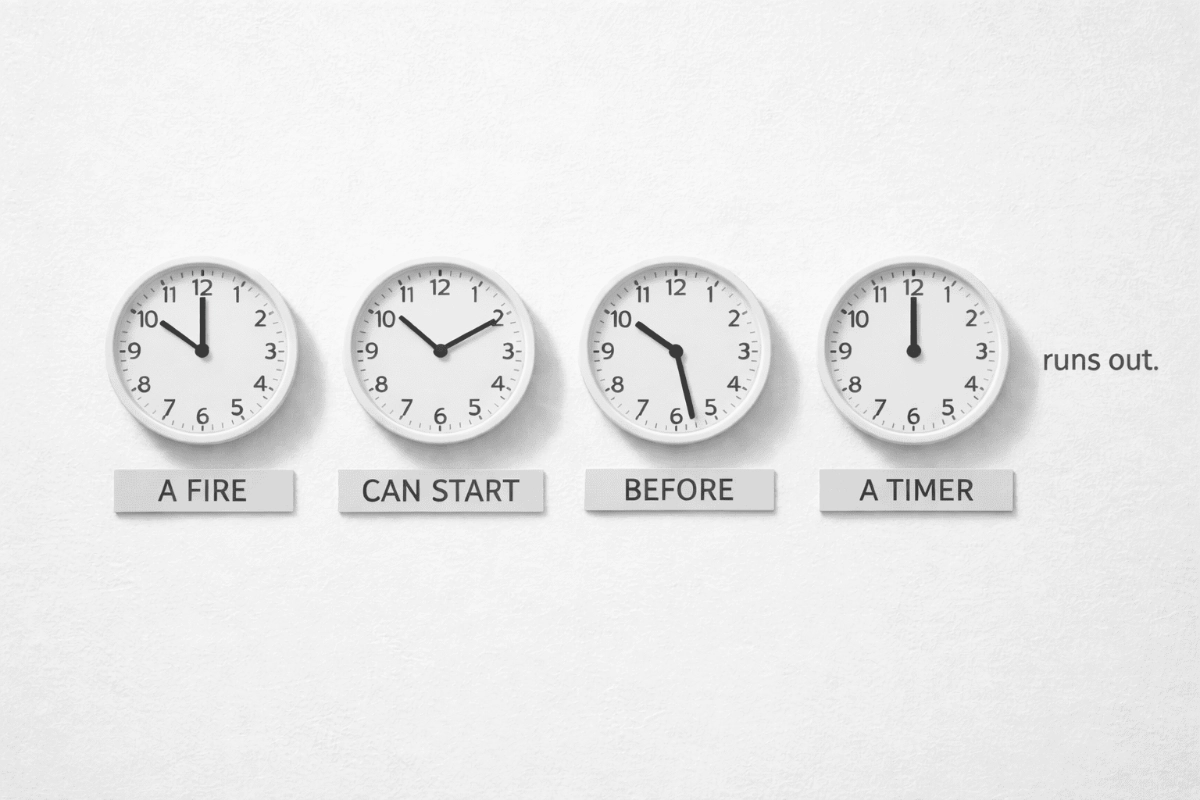
Are hob timers safe for elderly or vulnerable people?
For someone with memory loss, cognitive impairment, or limited mobility, a hob timer presents several challenges:
- They require activation – The user must remember to set the timer before cooking starts.
- They can’t detect danger – Cooking fires can start in minutes, well before the timer turns off the hob.
- They can encourage unattended cooking – Knowing the hob will switch off after a set time might encourage unattended cooking, which is a leading cause of kitchen fires.
- They don’t respond to emergencies – If a pan overheats or oil reaches its ignition point, a hob timer won’t stop a fire from starting. It simply keeps counting down.
The Southwest Finland Memory Association has highlighted this problem clearly[2]:
“A stove fitted with a timer is not safe enough in the home of a person with a memory disorder.”
Pros and cons of hob timers
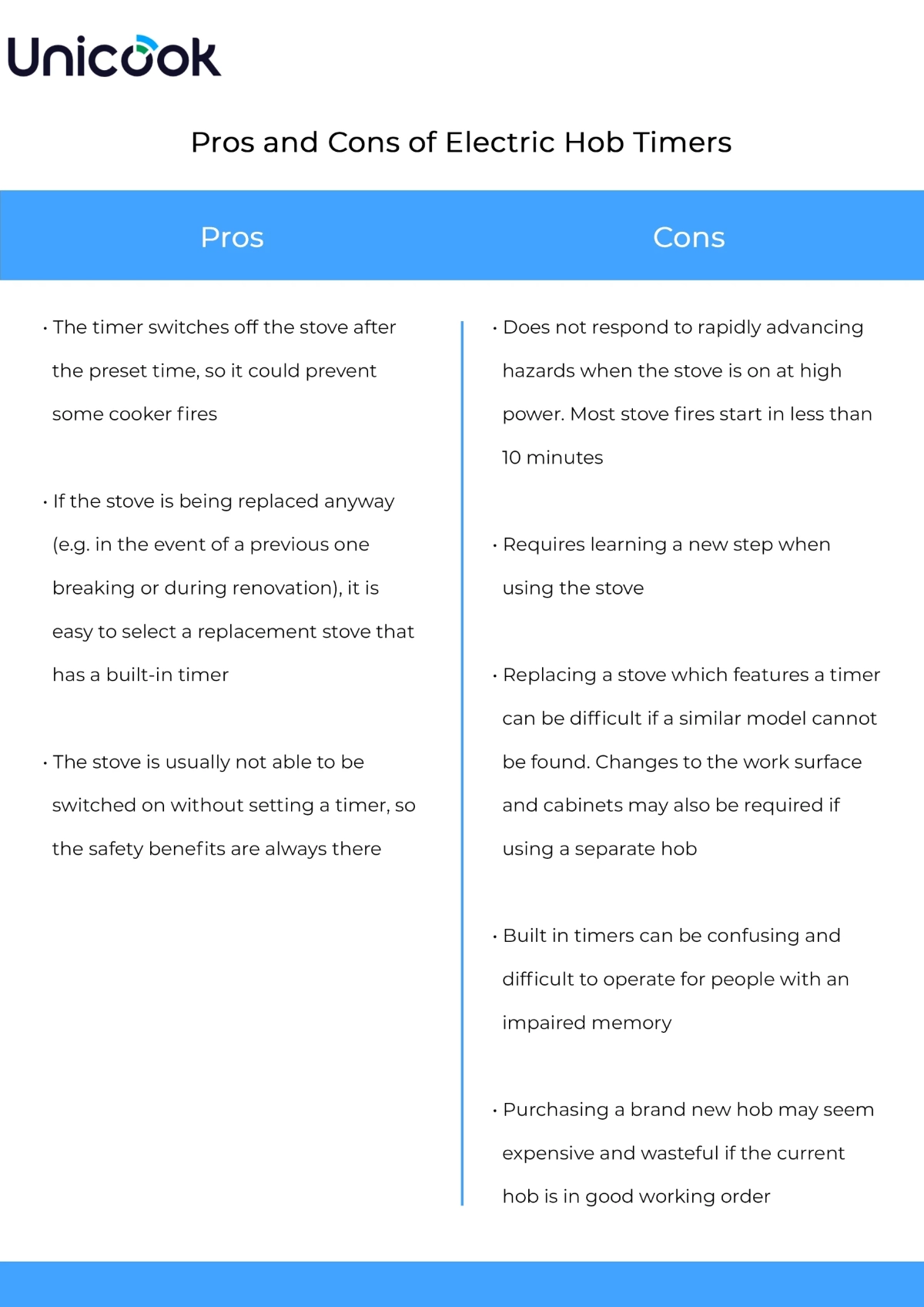
The above table gives an overview of the pros and cons of hob timers so you can decide if they are suitable for your needs. But are there any viable alternatives to hob timers?
Why stove guards are safer than hob timers
A stove guard is an intelligent fire prevention system designed to detect dangerous cooking conditions.
Instead of relying on a countdown, stove guards monitor:
- temperature patterns
- overheating pans
- unattended cooking
- human presence at the hob If a dangerous situation develops, the system responds immediately, sounding an audible alert and cutting power to the hob if necessary.
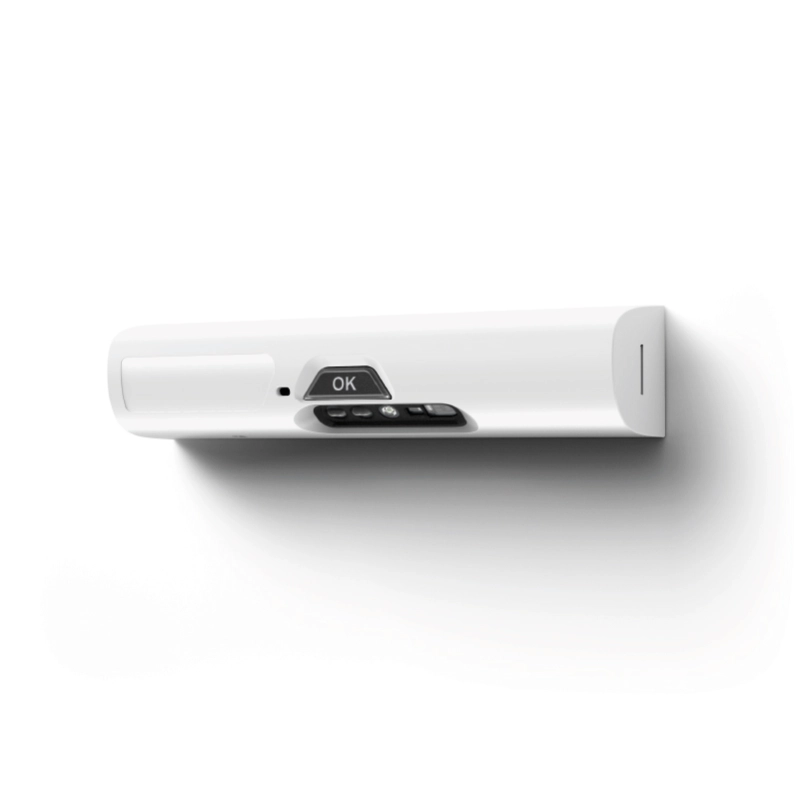 Airis proctively avoids fires by disconnecting the power to the hob if a dangerous situation is unfolding.
How does a stove guard work?
Stove guards like Airis Sense use advanced sensors to detect:
- Excessive heat or rising temperatures that could lead to a fire.
- The smoke and flash points of cooking oils, cutting power before ignition.
- Whether a person is present at the hob—if the cooker is left unattended, the power is automatically turned off.
If a risk is detected, the stove guard alerts the user with an alarm. If no action is taken, it automatically shuts off the hob before a fire can start—acting far faster than a hob timer ever could.
How does Airis stove guard prevent fires?
Hob timer vs stove guard: which is safer?
Here’s a direct comparison of Airis’ features compared to a conventional hob timer:
| Feature | Hob Timer | Stove Guard |
|---|---|---|
| Prevents fire before it starts? | ✖ No | ✅ Yes |
| Detects real-time danger? | ✖ No | ✅ Yes |
| Works without user input? | ✖ No | ✅ Yes |
| Alerts caregivers if needed? | ✖ No | ✅ Yes |
| Meets fire prevention standards (BS EN 50615)? | ✖ No | ✅ Yes |
When it comes to vulnerable individuals, safety should never be left to chance. Hob timers might seem helpful, but they simply don’t offer the level of protection needed to prevent fires.
What about the cost?

Many people assume that a high-tech safety device like Airis must be expensive, but installing a stove guard is often cheaper than replacing a hob with one that includes a timer. More importantly, the cost of a fire—damage, loss of belongings, potential relocation, and emotional trauma—far outweighs the price of proper prevention.
The bottom line: hob timers vs. stove guards
If you’re serious about fire prevention, a stove guard like Airis is the only device that proactively stops fires before they start. It requires no additional learning for the user, integrates seamlessly into existing kitchens, and works automatically to protect those who need it most.
As the Southwest Finland Memory Association puts it[2]:
“A stove guard is a valuable purchase. When it prevents a fire, it pays for itself many times over.“
If you want real peace of mind and a safer kitchen, a stove guard is the right choice.
If you have questions, we’re here to help
We can call you back, or you can contact us by phone on 0208 798 3462 or click on ‘Contact Us’ to send us a message.

Rated 5 stars by our customers

Hob timers: Frequently asked questions
Are hob timers designed to prevent fires?
No. Hob timers are designed to switch off appliances after a set period of time. They do not detect overheating, unattended cooking or fire risk.
Why are timers unreliable for people with dementia?
Timers usually require manual activation. People with memory impairment may forget to set them or may not respond when alarms sound.
Can a stove guard work automatically?
Yes. Stove guards monitor cooking continuously and can shut off the hob automatically if dangerous conditions are detected.
Do stove guards replace smoke alarms?
No. Smoke alarms remain essential for fire detection. Stove guards focus on preventing fires before ignition can occur.
Are stove guards suitable for rental properties or supported housing?
Yes. They are commonly used in supported living, sheltered housing, student accommodation, and other settings where cooking safety is a concern.