
Preventing fires in student accommodation
- Student fire safety
University life brings newfound independence, social opportunities, and academic challenges. But for many students, fire safety is an afterthought—until it’s too late. With students often inexperienced in cooking, dealing with late nights, and sometimes under the influence of alcohol, the risk of kitchen fires is significantly higher.
So, how do we keep students safe while preserving their independence?
At Unicook, we are UK experts in cooking safety within student accommodation. In this guide, we explore the real impact of fires and false alarms, fire prevention strategies, and how modern solutions can actually eliminate the risk altogether.
Student fire safety at a glance
Cooking is the leading cause of accidental dwelling fires in England, and students are statistically more likely to experience non-fatal fire injuries than older age groups[1]. In student accommodation, frequent false alarms also create evacuation fatigue and desensitisation. While smoke detection remains essential, proactive stove guard systems that prevent ignition can significantly reduce both fire incidents and nuisance alarms.
The fire risk in student accommodation
There are over 2.9 million students in the UK[2], many of whom live in purpose-built or shared accommodation. While universities and private providers invest billions in these properties, fire safety measures often focus only on containing fires, not preventing them.

Student fire statistics
- Cooking-related incidents are the leading cause of fires in student housing[1]
- False fire alarms due to cooking mishaps disrupt students’ lives and desensitise them to real emergencies
- The 17-24 age group experiences a higher rate of non-fatal fire-related injuries than those aged 55-69[1] Despite modern safety regulations, fire remains a serious risk in student accommodation. But what about false alarms? Are they a lesser issue, or do they create problems of their own?
The hidden cost of false alarms
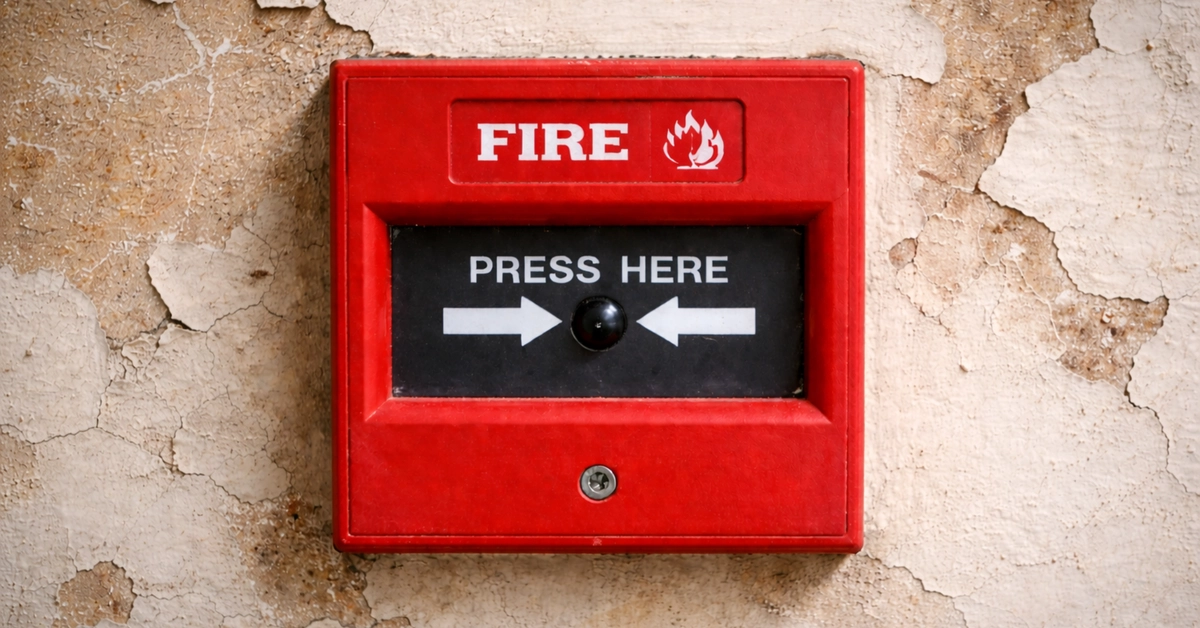
Smoke alarms are vital, but frequent false alarms can have unintended consequences:
- Desensitisation – When alarms go off regularly due to burnt toast, cooking steam, or pranks, students may start ignoring them, putting lives at risk
- Evacuation Fatigue – Frequent false alarms disrupt sleep, study schedules, daily routines, and have a negative impact on wellbeing
- Financial Burden – Fire services in some areas charge for repeated false callouts
- Institutional Reputation – A high rate of incidents can deter prospective students and parents The Cube fire in Bolton (2019) highlighted the risks of complacency surrounding fire safety in student accommodation. A student reported that she ignored the alarm at first, assuming it was another false activation. This highlights the need for smarter fire safety solutions that focus on preventing fires from starting in the first place.
How can universities reduce fire risks?
Improving fire safety in student housing doesn’t have to mean restricting independence. Here’s what universities and accommodation providers can do:
- Educate Students – Make fire safety a core part of induction weeks and include reminders in student portals
- Discourage Cooking Under the Influence – Promote meal prep or late-night alternatives like microwavable food
- Encourage Kitchen Supervision – A watched pan never catches fire. Students should never leave cooking unattended
- Use Proper Fire Safety Signage – Clearly label fire extinguishers, exits, and emergency procedures
- Keep Smoke Alarms Installed & Functional – Removing alarms to avoid false alerts is not a solution. Instead, focus on improving fire prevention strategies While education and awareness campaigns help, they don’t eliminate the risk. That’s why universities are turning to proactive fire prevention solutions.
The future of fire prevention: Airis stove guard
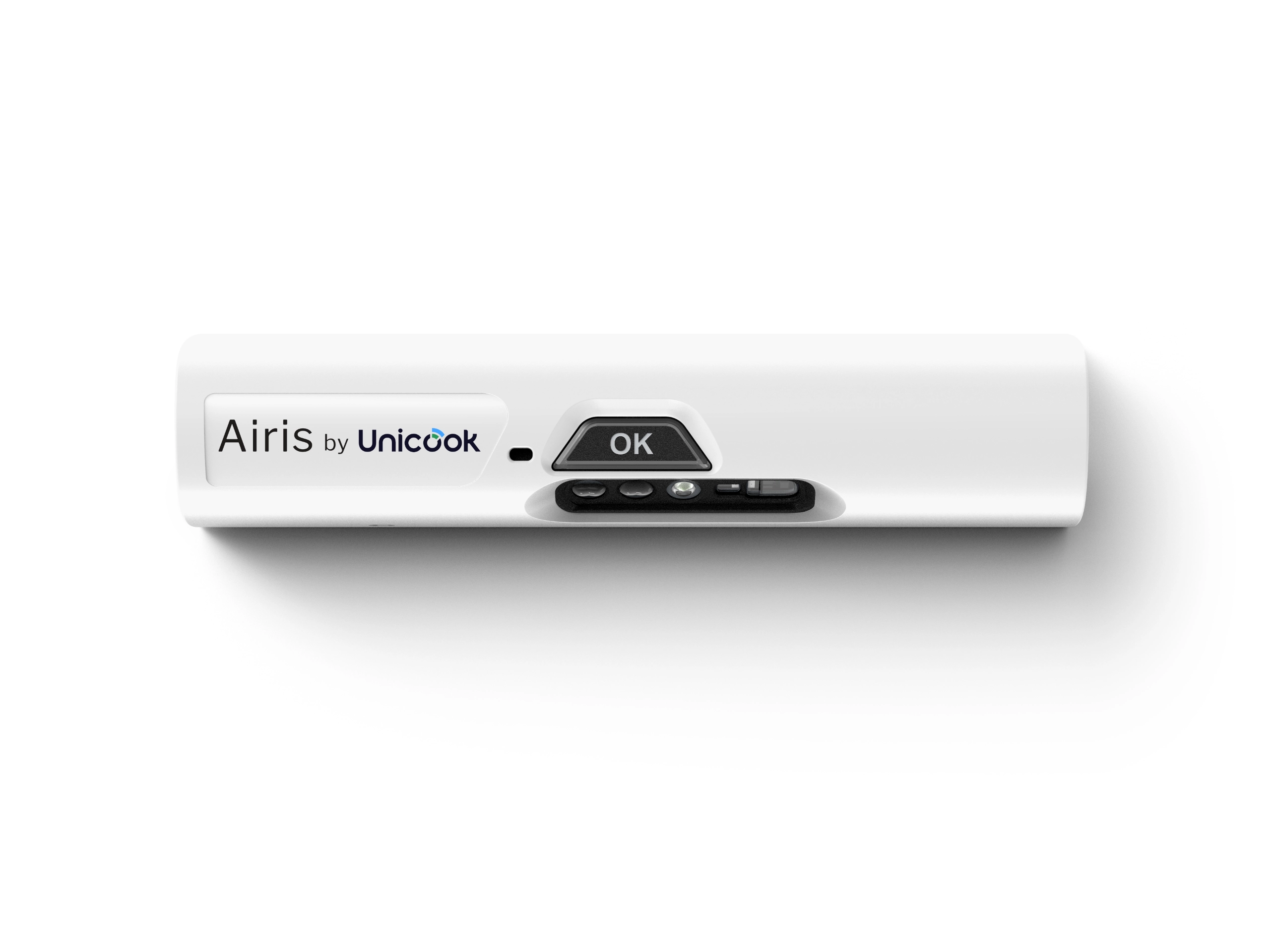
Traditional fire safety focuses on reacting to fires—smoke alarms, fire extinguishers, and sprinkler systems all kick in after a fire has started. But what if we could stop fires before they begin?
Enter Airis Sense stove guard—the smart solution already trusted by many universities across the UK.
How Airis works
Airis uses advanced sensor technology to monitor:
- Heat levels – Detecting when temperatures reach dangerous levels.
- Human presence – Ensuring someone is attending to the stove.
- Cooking patterns – Recognising unsafe behaviors before they escalate. If Airis detects a fire risk, it alerts the student. If they don’t respond in time, it automatically shuts off power to the stove, preventing the fire before it starts.
Why Airis?
- Airis Stops Fires Before They Start – No smoke, no flames, no false alarms.
- No More Nuisance Alarms – Students stay focused without unnecessary evacuations.
- No Learning Period Required – Unlike other safety devices, Airis works immediately upon installation.
- Trusted by UK Universities – Airis already protects thousands of students nationwide.
Testimonials from UK accommodation providers
Fire safety personnel from UK universities and private student accommodation providers have found that installing Airis stove guards in halls of residence has reduced false alarms, decreased the risk of cooking fires, and improved student wellbeing:
- READ THE CASE STUDY We selected the Airis BS EN 50615 system for the Hallsville Quarter development for its widespread use across the UK as well as its reliability and fail-safe design. With cooking fires accounting for approximately 50% of domestic fires, the system significantly enhances safety across the development. By preventing fires at their source, we’re also reducing the likelihood of sprinkler systems being unnecessarily triggered, minimising potential water damage and disruption to residents. Marc Campbell, Hanover Building Services
We selected the Airis BS EN 50615 system for the Hallsville Quarter development for its widespread use across the UK as well as its reliability and fail-safe design. With cooking fires accounting for approximately 50% of domestic fires, the system significantly enhances safety across the development. By preventing fires at their source, we’re also reducing the likelihood of sprinkler systems being unnecessarily triggered, minimising potential water damage and disruption to residents.
Marc Campbell, Hanover Building Services
- READ THE CASE STUDY During the trial period the student accommodation kitchens involved had just one false alarm activation. In the same period in the previous year, these premises had eleven false alarm activations. So, the early intervention of the Airis stove guards has contributed to a substantial reduction of unwanted false alarm activations and unnecessary evacuations. Nick Greenwood, Fire Safety Manager
During the trial period the student accommodation kitchens involved had just one false alarm activation. In the same period in the previous year, these premises had eleven false alarm activations. So, the early intervention of the Airis stove guards has contributed to a substantial reduction of unwanted false alarm activations and unnecessary evacuations.
Nick Greenwood, Fire Safety Manager
- READ THE CASE STUDY By preventing cooking fires and reducing smoke, students are safer and less likely to experience false alarms. Frequent false alarms can increase risk by causing ‘alarm immunity’, where students become desensitised and fail to react appropriately. The Airis from Unicook is certified to BS EN 50615 and was chosen for its high reliability, robustness, and fail-safe design. Andy Littlejohns, Hoare Lea Ltd
By preventing cooking fires and reducing smoke, students are safer and less likely to experience false alarms. Frequent false alarms can increase risk by causing ‘alarm immunity’, where students become desensitised and fail to react appropriately. The Airis from Unicook is certified to BS EN 50615 and was chosen for its high reliability, robustness, and fail-safe design.
Andy Littlejohns, Hoare Lea Ltd
- READ THE CASE STUDY At Brunel University of London, all halls of residence with electric cookers are equipped with Airis stove guards in the campus kitchens to reduce the risk of cooking-related fires and prioritise the safety of our students. Their installation has significantly lowered the risk of fire incidents and greatly reduced the number of false alarms, preventing unnecessary evacuations and enhancing the overall student experience at Brunel. Paul Digby, Fire Safety Advisor
At Brunel University of London, all halls of residence with electric cookers are equipped with Airis stove guards in the campus kitchens to reduce the risk of cooking-related fires and prioritise the safety of our students. Their installation has significantly lowered the risk of fire incidents and greatly reduced the number of false alarms, preventing unnecessary evacuations and enhancing the overall student experience at Brunel.
Paul Digby, Fire Safety Advisor
- READ THE CASE STUDY We selected the Airis BS EN 50615 system for the Hallsville Quarter development for its widespread use across the UK as well as its reliability and fail-safe design. With cooking fires accounting for approximately 50% of domestic fires, the system significantly enhances safety across the development. By preventing fires at their source, we’re also reducing the likelihood of sprinkler systems being unnecessarily triggered, minimising potential water damage and disruption to residents. Marc Campbell, Hanover Building Services
We selected the Airis BS EN 50615 system for the Hallsville Quarter development for its widespread use across the UK as well as its reliability and fail-safe design. With cooking fires accounting for approximately 50% of domestic fires, the system significantly enhances safety across the development. By preventing fires at their source, we’re also reducing the likelihood of sprinkler systems being unnecessarily triggered, minimising potential water damage and disruption to residents.
Marc Campbell, Hanover Building Services
- READ THE CASE STUDY During the trial period the student accommodation kitchens involved had just one false alarm activation. In the same period in the previous year, these premises had eleven false alarm activations. So, the early intervention of the Airis stove guards has contributed to a substantial reduction of unwanted false alarm activations and unnecessary evacuations. Nick Greenwood, Fire Safety Manager
During the trial period the student accommodation kitchens involved had just one false alarm activation. In the same period in the previous year, these premises had eleven false alarm activations. So, the early intervention of the Airis stove guards has contributed to a substantial reduction of unwanted false alarm activations and unnecessary evacuations.
Nick Greenwood, Fire Safety Manager
The bottom line: prevention over reaction
Fires in student accommodation can be devastating. False alarms, while seemingly minor, also create long-term risks. Instead of just reacting to fires, universities should look to adopt proactive safety measures.
Airis stove guard offers the best of both worlds—fire safety without restricting independence.
If you’re a university, accommodation provider, or concerned parent looking to improve fire safety without unnecessary disruption, get in touch today.
If you have questions, we’re here to help
We can call you back, or you can contact us by phone on 0208 798 3462 or click on ‘Contact Us’ to send us a message.

Rated 5 stars by our customers

FAQs on preventing fires in student accommodation
Are cooking fires really the biggest risk in student accommodation?
Yes. Cooking appliances are the leading cause of accidental dwelling fires in England, making shared kitchens the highest-risk area in student housing.
Do stove guards replace smoke alarms?
No. Smoke alarms are legally required and essential. Stove guards provide additional prevention by stopping ignition before smoke develops.
Can proactive systems like stove guards reduce false alarms?
Yes. By preventing oil and food from reaching ignition temperature, stove guards and other proactive systems can reduce smoke generation that triggers communal alarms.
Is Airis suitable for large shared kitchens?
Airis is designed for electric hobs up to 90 cm wide, and is already deployed in student accommodation across the UK.
Are stove guards required by law in student accommodation?
Not universally. However, BS 9991:2024 references compliant stove guard systems in certain residential settings, and fire risk assessments may recommend them in higher-risk buildings.