Why induction hobs pose a serious fire risk – and how to stay safe
- domestic fire safety
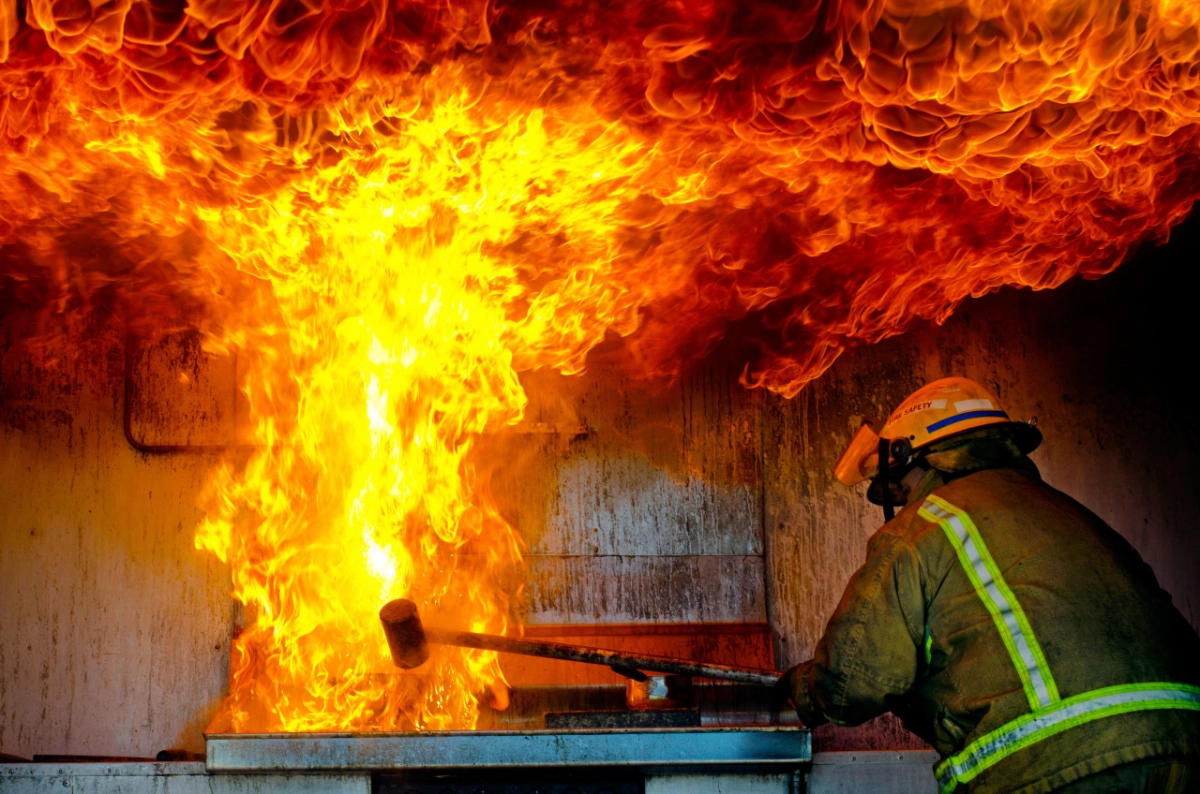
Induction hobs are often marketed as the safest way to cook. And in some ways, they do offer obvious advantages—they heat quickly, there’s no open flame, and they only work with compatible cookware. But here’s the uncomfortable truth: they’re also the most dangerous type of hob you can use.
Before we explain why, let’s take a look at how induction hobs work and why they’re becoming increasingly popular in UK homes.
Induction hob fire safety: key takeaways
Induction hobs heat pans extremely quickly, which can cause cooking oil to reach dangerous temperatures faster than many people realise. Because there are fewer visual cues compared with gas flames, overheating can occur before the cook notices. Safe habits—such as never leaving cooking unattended—and preventive technology like stove guards can significantly reduce the risk of cooking fires.
How induction hobs work
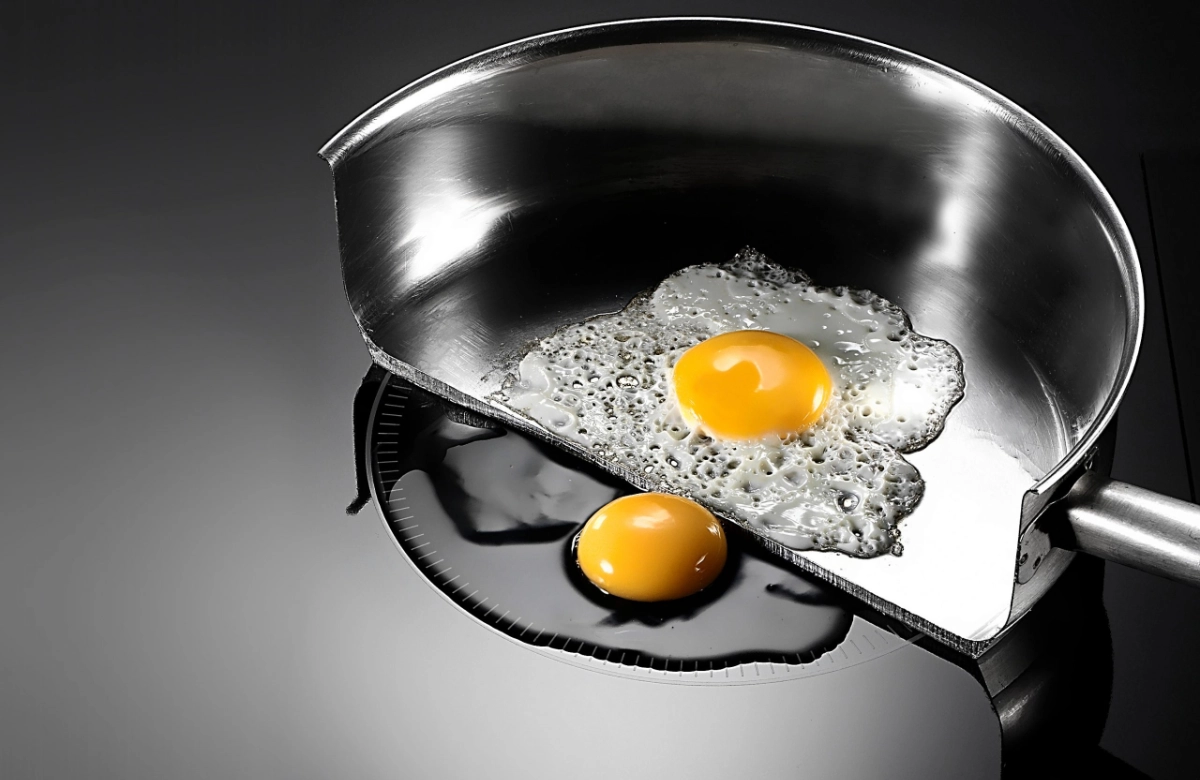
Traditional hobs generate heat from an external source, like gas flames or electric coils.
Induction hobs work differently, creating a magnetic field that induces a current in the pan itself, heating it directly. This process makes them up to 85-90% efficient[1]—far superior to gas hobs, which lose a significant amount of heat to the surrounding air.
This efficiency is one of the main reasons the UK is shifting towards induction cooking. With gas supplies declining and sustainability concerns rising, developers and homeowners are opting for electric alternatives.
But efficiency doesn’t necessarily mean safety: faster heating also means temperatures can rise quickly when cooking with oil.
The hidden danger of induction hobs

You might have seen articles claiming induction hobs are the safest cooking option, highlighting features like automatic shut-offs when pans are removed, and the absence of an open flame. But these points don’t tell the full story.
Here’s why induction hobs can actually pose a greater fire risk than gas or ceramic hobs:
1. Rapid heating
Induction hobs deliver far more power than gas or ceramic hobs. They can heat oil to dangerous temperatures in as little as 80 seconds, much faster than other types of hobs. That’s why deep-fat frying or overheating oil on an induction hob can lead to a kitchen fire before you even realise what’s happening.
2. Fewer visual heat cues
Gas hob flames provide an obvious visual indicator of heat, while rings on electric or ceramic hobs often glow red. With induction, there’s no visual cue—just a glass surface. This can make it hard for cooks to recognise when oil is overheating.
3. Dangerous misuse of protective materials
Some people place kitchen towels or cloths between the pan and the hob to prevent scratches. This is incredibly dangerous—if the pan gets hot enough, these materials can catch fire within seconds.
4. “Boost” function magnifies the risk
Induction hobs often include a ‘boost’ function that designed to heat pans very quickly. While great for boiling water, it’s a huge fire hazard when used with oil, especially if the pan is left unattended to heat up. Many people unknowingly use induction hobs on maximum heat without realising just how quickly it can cause a fire.
5. Timers do not detect fire risk
Many induction hobs come with timers, but timers don’t detect fire risk. They simply shut off after a set time, which does nothing to prevent oil from overheating or igniting before the timer expires.
Ceramic vs. induction hobs – which will start a fire quickest?
We’ve conducted real-world tests comparing induction hobs with ceramic and gas hobs.
The result? Induction hobs consistently set oil alight the fastest:
Surprising, isn’t it? Our record for setting a pan of oil on fire with a more powerful induction hob is 1 minute 15 seconds. That is a serious issue for anyone, let alone a vulnerable person.
How to use induction hobs safely
Given that induction hobs are here to stay, how can you ensure safety without giving up their efficiency? Here are some practical precautions when cooking with induction:
1. Never leave cooking unattended
Unattended cooking is one of the leading causes of UK kitchen fires[2].
Because induction hobs heat up so quickly, turning away for even a minute can be enough for a fire to start. Always stay by the hob, especially when heating oil.
2. Be cautious with boost mode
Boost mode should be reserved for boiling water.
When heating oil or frying, lower power settings provide better control over heat levels and reduce the risk of overheating.
3. Keep the hob clear of flammable materials
Never put a kitchen towel, cloth, or paper between your cookware and the induction surface—it could ignite instantly if temperatures rise too high.
4. Consider automatic fire prevention
Hob timers work based on time, not temperature. Proactive fire prevention systems, such as stove guards, can help to reduce kitchen fire risk.
A stove guard actively monitors temperature changes, detects fire risks, and automatically cuts power to the hob to prevent cooking fires from starting.
Read more about practical steps to make induction cooking safer here: induction hob fire prevention.
Airis stove guard: proactive fire prevention for induction hobs
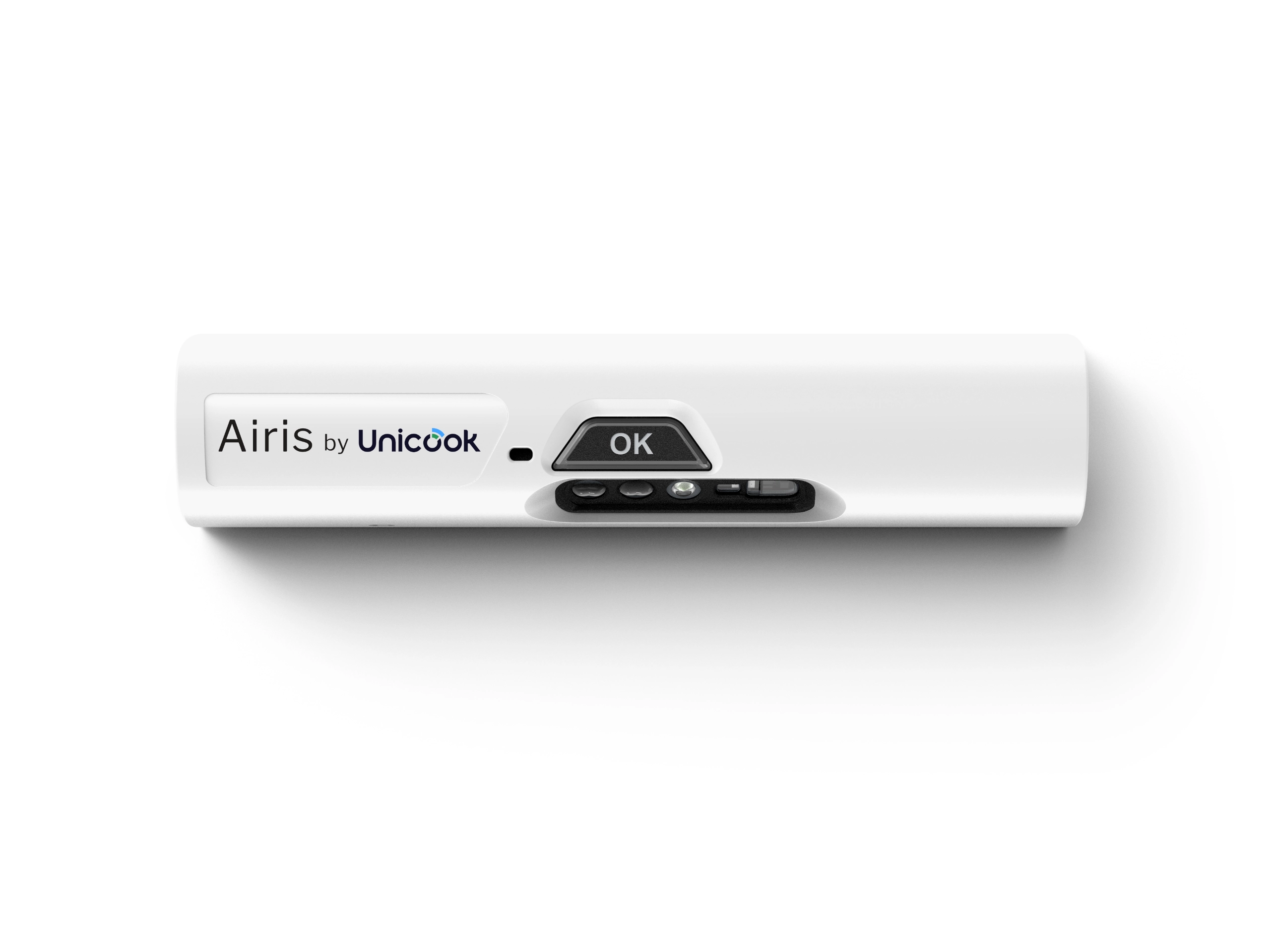
The safest way to use an induction hob is to pair it with an advanced fire prevention system like Airis Sense.
How Airis works
- Monitors temperature and detects risk – Airis tracks heat levels in real-time and shuts off the hob before overheating occurs.
- Recognises human presence – Ensures someone is in the kitchen while cooking is active.
- Detects smoke and fumes – Alerts you before oil reaches dangerous temperatures.
- Used in assisted living and student housing – Extensively tested to reduce cooking-related fires by over 50%. A recent North Wales Fire Service pilot scheme found that Airis drastically reduced kitchen fire callouts, making it a vital safety feature for homes with induction hobs.
Conclusion: safe induction cooking
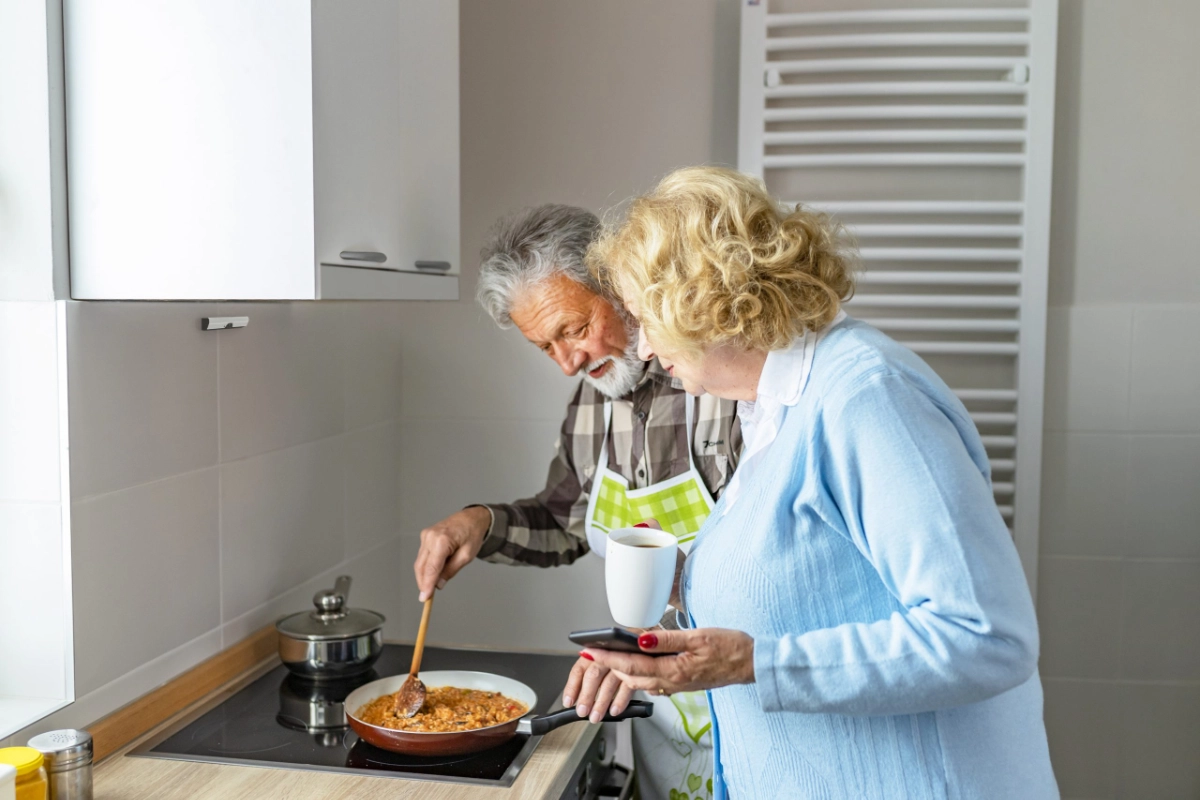
Induction hobs are quick, convenient and energy-efficient, but their hidden fire risks can make them the most dangerous hob type available today.
Simple safety habits — combined with preventive technology — can significantly reduce risk.
If you have questions, we’re here to help
We can call you back, or you can contact us by phone on 0208 798 3462 or click on ‘Contact Us’ to send us a message.

Rated 5 stars by our customers

Induction Hob Safety FAQs
Are induction hobs more dangerous than gas hobs?
Not necessarily. Induction hobs remove open flames and can be safer in some respects. However, they heat pans very quickly, which can increase the risk of overheating oil if cooking is left unattended.
Why does cooking oil catch fire?
Cooking oil can ignite when it reaches its ignition temperature. This may occur if oil overheats during frying or if it is left unattended on a hot hob. Learn more about how cooking oils affect fire risk here: How to reduce fire risk when cooking
Is the boost function safe for frying?
Boost mode is designed for rapid heating and is typically best used for boiling water. When heating oil, lower power settings provide better temperature control.
Can stove guards work with induction hobs?
Yes. Stove guards such as Airis Sense work on all types of electric hobs up to 90cm wide, including induction. Airis monitors cooking conditions and can disconnect power to the hob before ignition occurs.
Do stove guards replace smoke alarms?
No. Smoke alarms remain essential for detecting fires. Stove guards focus on preventing ignition by monitoring cooking conditions.
References
[1] US Department of Energy: Induction Cooking
[2] Home Office – Detailed analysis of fires attended by fire and rescue services in England