Hob fires: how to choose the right stove guard for your home or property
Understanding stove guards: what you need to know
With so much information available, choosing the right stove guard can feel overwhelming. You might wonder: Is it a heat-resistant mat? A set of knob covers? A barrier around the hob? While these accessories can help to improve stovetop safety, they are not what we mean by a true stove guard.
Stove guards: key takeaways
A true stove guard is an intelligent fire prevention device that monitors hob temperature and cooking conditions, cutting power before ignition occurs. Accessories such as knob covers or heat-resistant mats are not stove guards. When choosing a system, look for compliance with BS EN 50615, multi-sensor capability, reliable shut-off functionality and suitability for your specific kitchen environment.
Stove guards offer a proactive approach to fire prevention, unlike traditional smoke alarms, fire blankets, and extinguishers that only react after danger escalates.
This guide explains what a true stove guard is, how it differs from basic accessories, what standards matter in the UK, and how to assess which solution is appropriate for your property.
What is a stove guard?
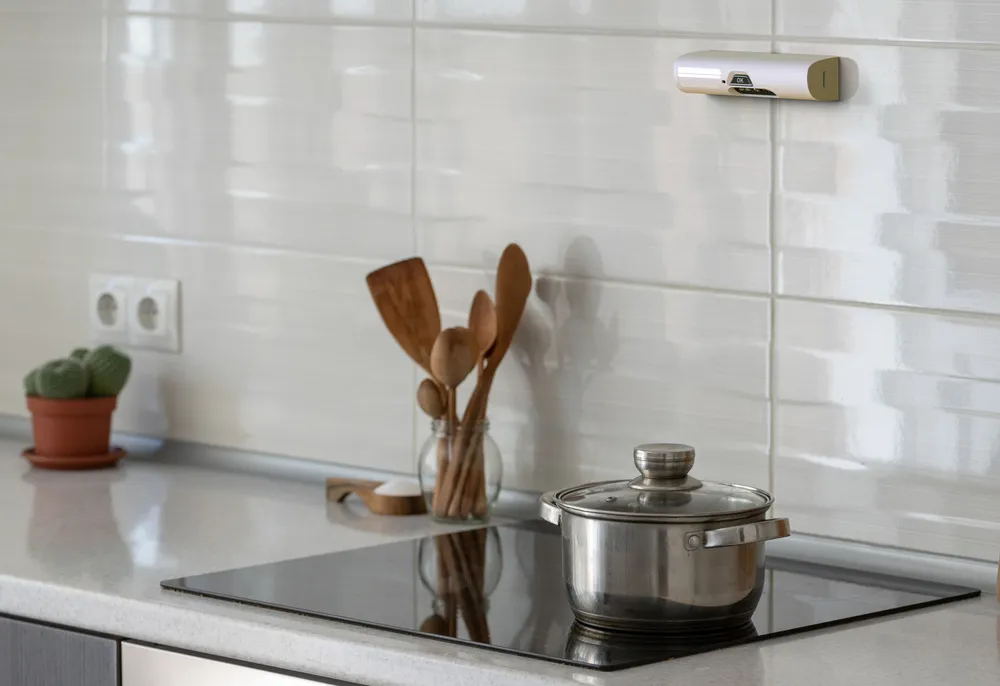
A stove guard system consists of two main components:
- A sensor – Monitors heat levels and detects signs of danger.
- A controller – Cuts power to the stove if risk factors are detected. The sensor continuously analyses cooking conditions. If it detects excessive heat, rising smoke, or an unattended hob, it sounds an audible warning. If no action is taken, the controller automatically shuts off power to the stove—eliminating fire risk before it begins.
Stove guards stop fires from starting by preventing oil or food reaching ignition temperature.
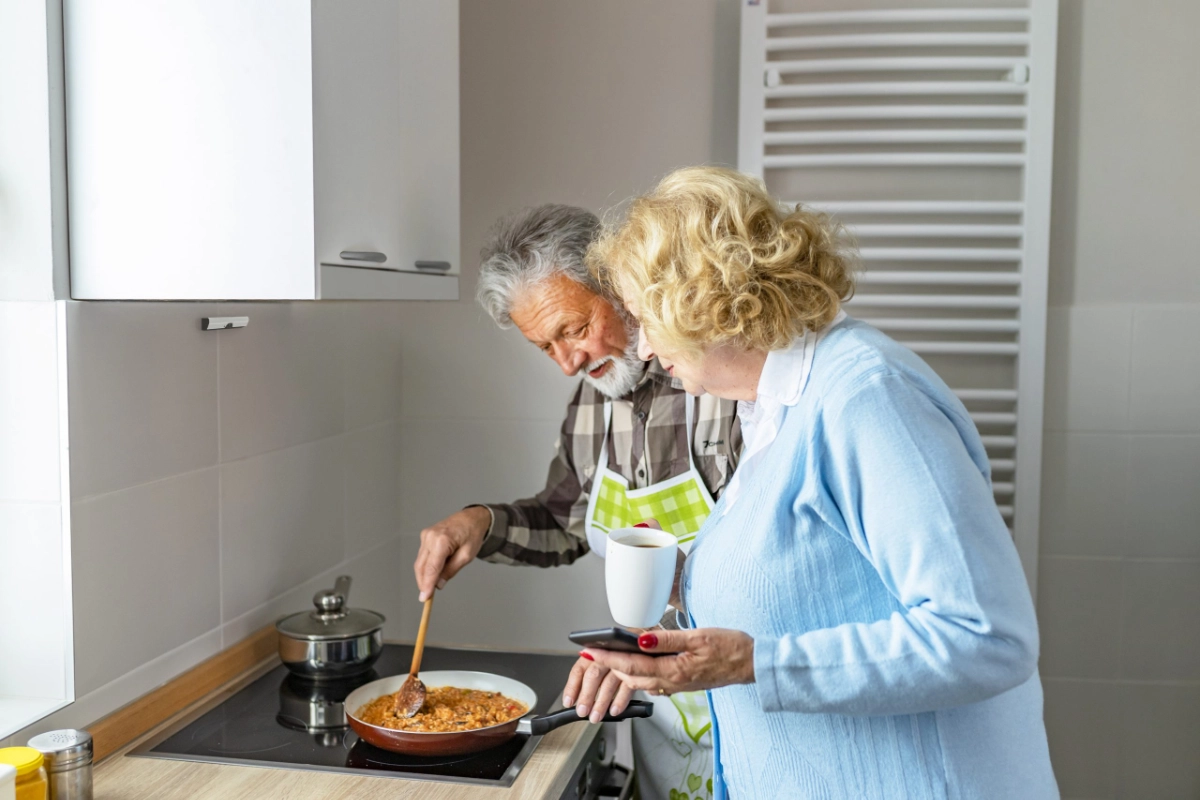
Originally designed for elderly and vulnerable individuals, stove guards are now widely used in student accommodation, assisted living communities, rental properties, and family homes.
Fire prevention is relevant to all households, not just high-risk groups.
Why choosing the right stove guard matters
Not all stove guards offer the same level of protection. Some models require annoying “learning periods” or produce false alarms due to inconsistent detection. Others fail to comply fully with safety standards like BS EN 50615.
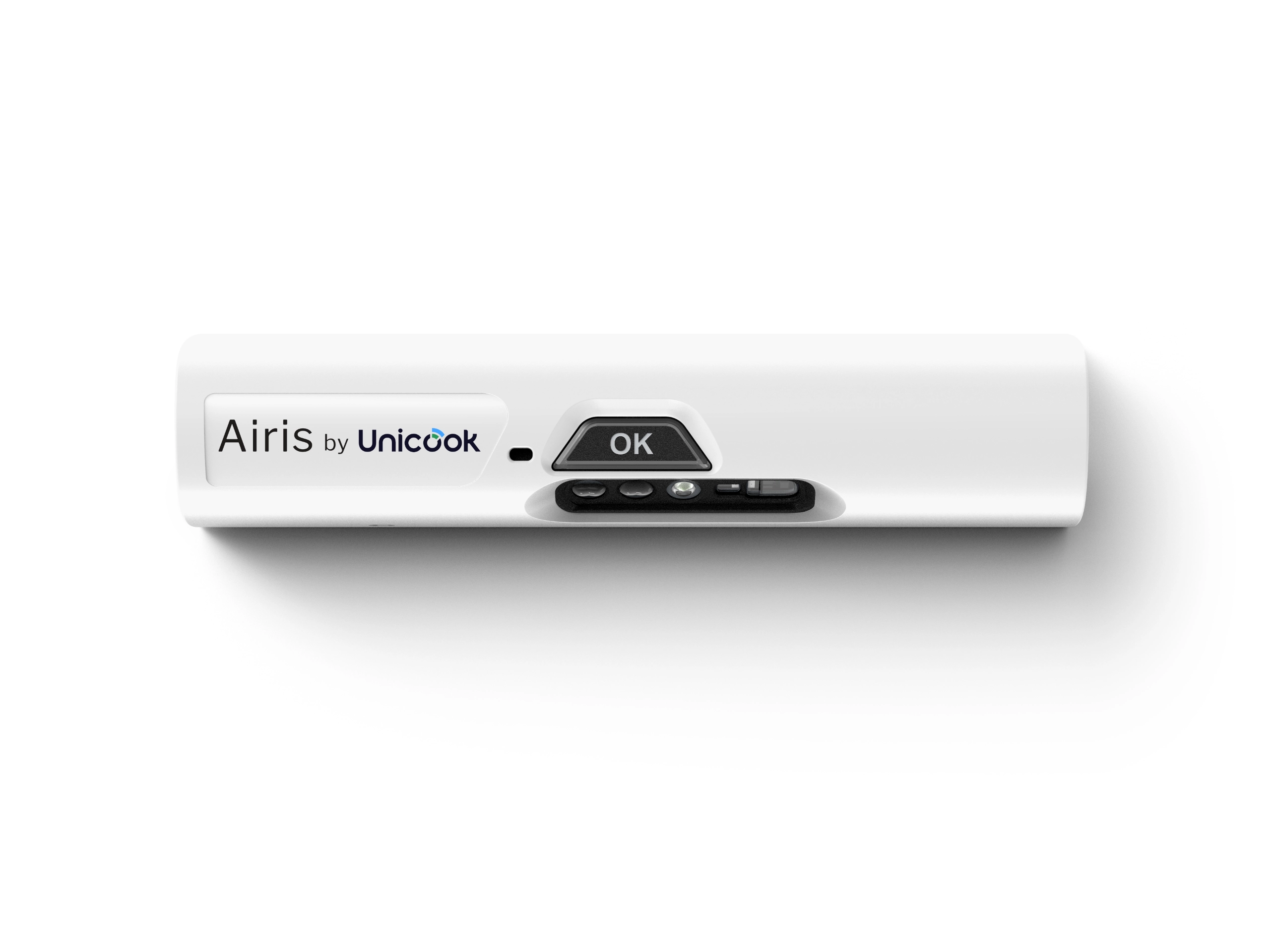
Airis stove guard is different.
✅ Advanced Multisensor technology – Accurately detects potential fire hazards without unnecessary interruptions. ✅ Zero learning period – Works immediately, no need to train the device. ✅ Reliable alerts & auto shut-off – Protects without causing false alarms or unnecessary disruptions. ✅ Smart integration – Connects seamlessly with modern smart home systems for enhanced monitoring.
Video: How Airis stove guard prevents cooking fires
Understanding stove guard standards
Fire safety devices must meet strict regulations to ensure effectiveness. The BS EN 50615 standard outlines the functional requirements for stove guards across the EU and UK. It ensures that the device:
- Detects fire hazards effectively
- Provides clear user alerts
- Automatically cuts power in dangerous situations
- Is reliable in various kitchen environments While many stove guards only partially comply with BS EN 50615, Airis exceeds every aspect of the standard. Designed with superior technology, it offers unmatched safety and reliability in any kitchen setting.
Who should consider installing a stove guard?
Stove guards are particularly relevant for:
- Families – Keeps children and elderly relatives safe while cooking.
- Students & young professionals – Prevents fire risks in shared accommodation.
- Landlords & property managers – Ensures compliance with fire safety regulations.
- Assisted living & sheltered housing – Helps vulnerable individuals maintain independence safely. Cooking-related fires are not rare events: they are statistically the most common cause of dwelling fires in the UK[1], accounting for roughly 50% of domestic fires.
Final thoughts: investing in safety
Choosing the right stove guard isn’t just about ticking a box or comparing prices—it’s about protecting lives, property, and peace of mind. Traditional, reactive safety measures like smoke alarms are important, but they only respond after a fire has started. Airis provides proactive protection, ensuring that fires don’t begin in the first place.
Ready to upgrade your kitchen safety? Find out why Airis is the best stove guard on the market today.
Are stove guards legally required in the UK?
Stove guards are not currently mandated in the UK. However, BS EN 50615 sets the recognised product standard, and BS 9991:2024 references compliant systems in certain residential contexts. Fire risk assessments may recommend them where cooking risk is elevated.
Do stove guards replace smoke alarms?
No. Smoke alarms remain legally required and essential. Smoke alarms are unsuitable for installation in a kitchen, but they form a vital part of domestic fire safety. Stove guards provide prevention before ignition; smoke alarms provide detection after ignition.
Can a stove guard work on gas hobs?
No: Airis is designed for electric hobs up to 90 cm wide, including induction. Always confirm appliance compatibility before installation.
Will a stove guard interrupt normal cooking?
Properly certified systems are designed to distinguish between safe cooking and dangerous overheating. Airis does not false alarm or interfere with normal, safe cooking.
Are stove guards suitable for student accommodation?
Yes. They are particularly useful in shared kitchens where unattended cooking and false alarms are common. Airis is already protecting thousands of students across the UK.
If you have questions, we’re here to help
We can call you back, or you can contact us by phone on 0208 798 3462 or click on ‘Contact Us’ to send us a message.

Rated 5 stars by our customers