How to reduce fire risk when cooking oil types, temperatures, wellbeing, children, pets, and smart technology
Please note that the fire safety advice in this post is for informative purposes only. Unicook cannot be liable for your safety in the kitchen.
Cooking is a daily routine in most households. Whether it’s a quick weekday meal or a shared family activity, the kitchen is often the busiest room in the home. However, it is also the highest-risk area for fire.
According to the Home Office, cooking appliances are involved in around 50% of all accidental house fires in England each year[1].
Most of these fires are preventable; they usually start when the cook becomes distracted, food is left unattended, oil overheats and catches fire.
Key points – How to reduce fire risk when cooking
- Cooking is the leading cause of accidental house fires in the UK
- Never leave cooking unattended — most kitchen fires begin this way
- Choose oils with appropriate smoke points for frying
- Extra care is needed in homes with vulnerable adults, children or pets
- Smart stove safety devices can actively prevent overheating and unattended cooking
- Never use water on a grease fire — smother it, or use a fire blanket
Why is cooking the leading cause of house fires in the UK?
The majority of accidental dwelling fires involve cooking appliances. The most common factors include:
- Unattended pans
- Overheated oil
- Distraction (phones, doorbells, conversations)
- Impairment due to tiredness, alcohol or drugs, or medication Oil-based fires can develop extremely quickly. Once oil reaches its ignition temperature, flames can spread to cabinets and extractor hoods within seconds.
The risk of cooking fires increases further in households where:
- Someone has reduced mobility
- Cognitive conditions affect attention and/or memory
- Children or pets are present
- Cooking is frequent or intensive Understanding the risks in your own home is the first step towards prevention.
How can you prevent unattended cooking fires?
If there’s one rule that prevents more kitchen fires than any other, it is this:
Don’t leave cooking unattended.
Even stepping away briefly can allow oil to overheat. Watch the video below to see just how quickly a pan fire can start:
Here are four practical steps to reduce the risk of unattended cooking:
- Stay in the kitchen when frying or using high heat
- If you must leave, turn the hob off
- Use timers and reminders to stay aware of what’s happening on the stove
- Avoid cooking when extremely tired or under the influence of alcohol Most fires start small. Early detection and intervention prevent things from escalating and becoming out of control.
Do cooking oils affect fire risk?
Different cooking oils have different smoke points – this means the temperature at which an oil begins to break down and produce visible smoke.
Here’s a quick guide to the most common cooking oils and their smoke points[3][4]:
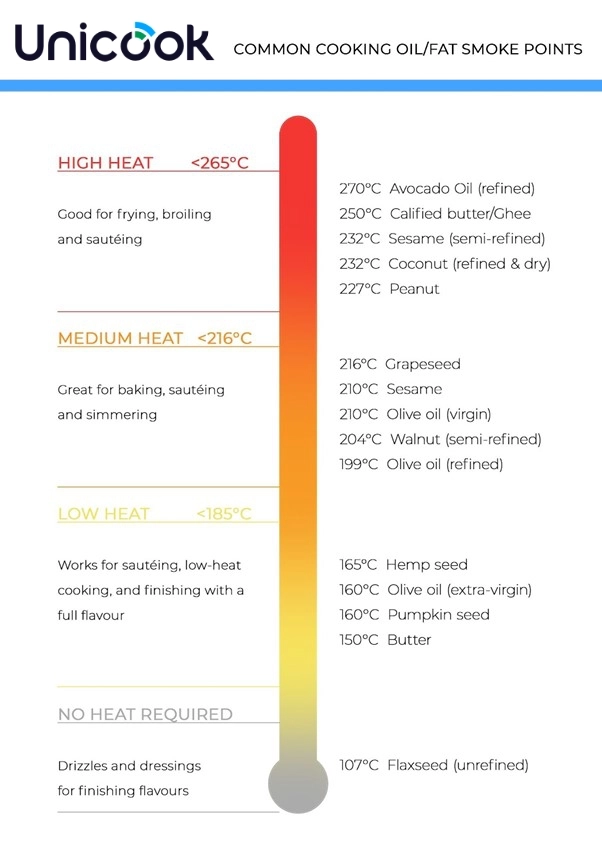
Key takeaways:
✅ Avoid using low smoke point oils for frying. Use oils with a smoke point above 180°C (356°F) ✅ Be mindful of oil quality. Unrefined oils have lower smoke points and burn more easily than refined oils ✅ Always dispose of used cooking oil safely. Never pour hot oil down the sink—it can clog pipes and increase fire hazards ✅ Never leave oil heating without food in the pan Here’s a more detailed comparison table covering a wide range of cooking oils, including their smoke points in both Celsius and Farenheit[3][4]:
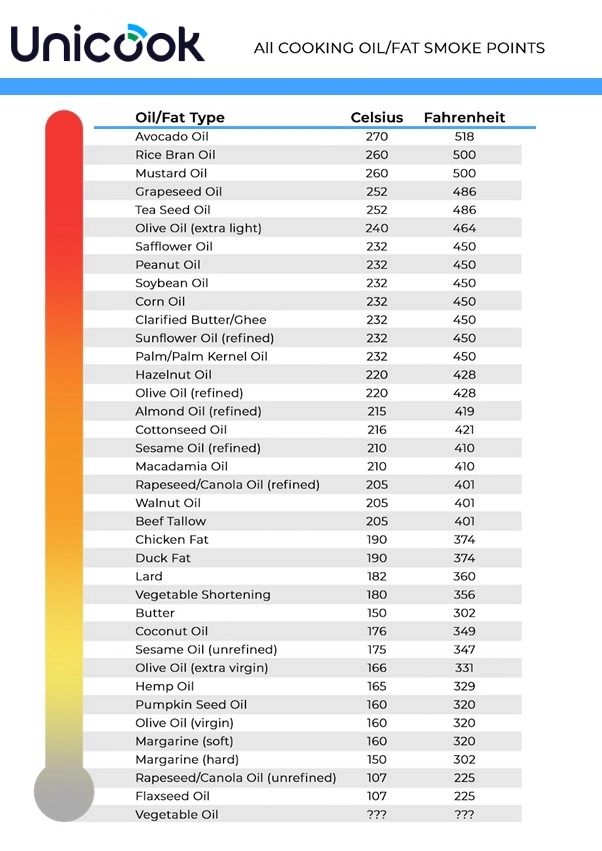
Vegetable oil does not have a single smoke point because it is usually a blend of different oils. Always check manufacturer guidance where available.
How do wellbeing and mobility affect cooking safety?
Kitchen fire risk increases significantly where cognitive or physical challenges are present, with vulnerable people being at a higher risk of fire-related injury.[2]
Increased risk factors:
- Dementia or memory impairment
- Depression or reduced concentration
- Reduced mobility
- Using medication that causes drowsiness
- Sensory impairment (reduced eyesight, hearing loss, or diminished sense of smell)
Five ways to keep elderly and vulnerable people cooking safely:
- Use kitchen timers consistently
- Install smoke alarms near (but not inside) the kitchen
- Keep fire blankets, extinguishers, and emergency buttons accessible
- Ensure exits remain clear
- Consider preventative technology, such as a stove guard For homes where cooking safety is a recurring concern, proactive stove safety systems such as Airis Sense or Airis Sense Wi-Fi can automatically cut power to an electric hob if dangerous overheating or unattended cooking is detected.
Airis is designed for electric hobs up to 90 cm wide, including ceramic, halogen, induction, and even older ‘iron ring’-type hobs.
How can you reduce fire risk with children and pets in the kitchen?
Kitchens are attractive environments for both children and animals. However, their unpredictability increases fire risk.
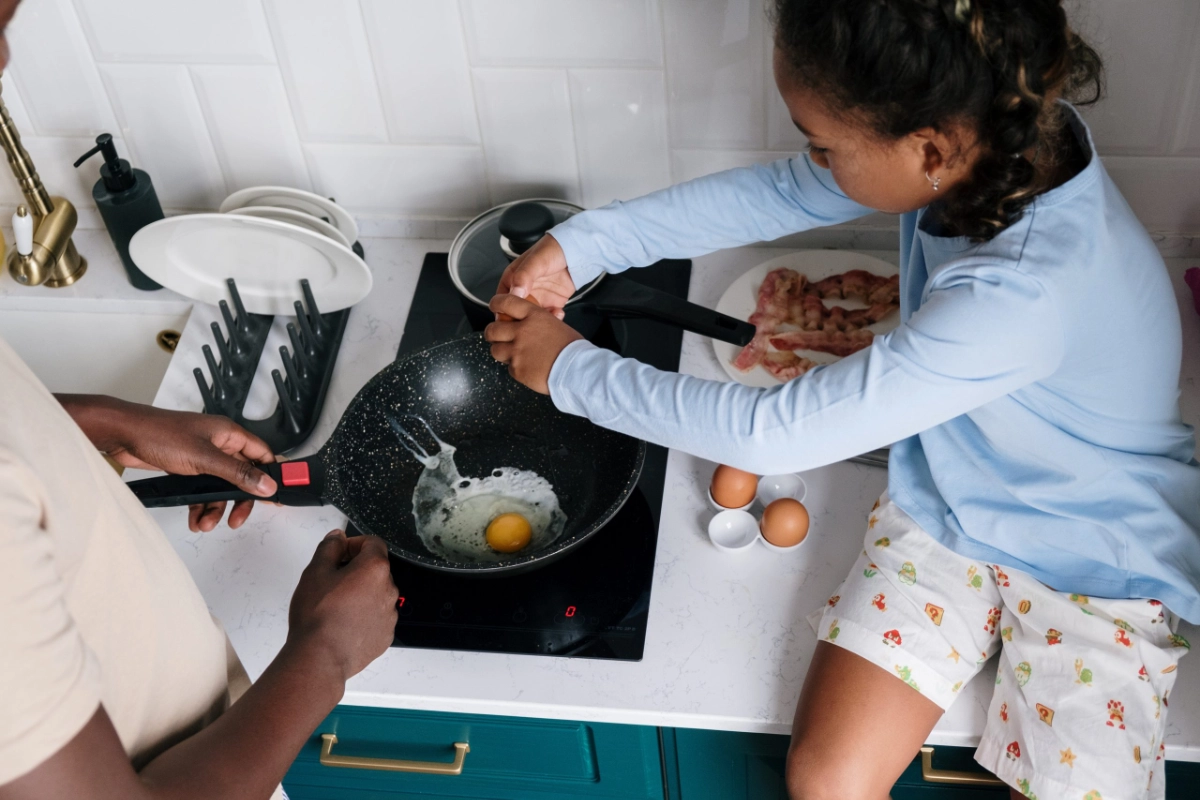
Fire risks involving children:
Here are the main points to be aware of when looking to keep children safe in the kitchen:
- Overhanging pan handles are easy targets for curious little hands.
- Kids might turn stove knobs or touch hot surfaces unknowingly.
- Loose clothing can catch fire when too close to a burner.
Fire risks involving pets:
- Cats have a notorious reputation for knocking things off surfaces, including hot pans
- Dogs can bump into open ovens or pull tablecloths, causing spills near heat sources
- Electrical cords for kettles or toasters may look like chew toys, leading to serious hazards.
Our top kitchen fire prevention tips:
- Use child-proof stove knob covers to prevent accidental ignition
- Turn pan handles inward so they’re out of reach
- Create a ‘no-go zone’ around the stove for children and pets when cooking
- Actively supervise children if they’re “helping” you cook Where appropriate, a stove guard adds an additional safety layer by preventing overheating if attention shifts during cooking.
Can smart technology prevent kitchen fires?
Traditional fire safety measures (smoke alarms, extinguishers, fire blankets) are reactive; they can only alert you after a fire has already started.
Proactive stove safety systems, such as stove guards, monitor cooking conditions and human presence at the hob in real time. If dangerous cooking conditions are detected, Airis stove guard sounds an alert and cuts power to the hob if the situation continues to escalate. This means that cooking fires can be prevented from starting in the first place.
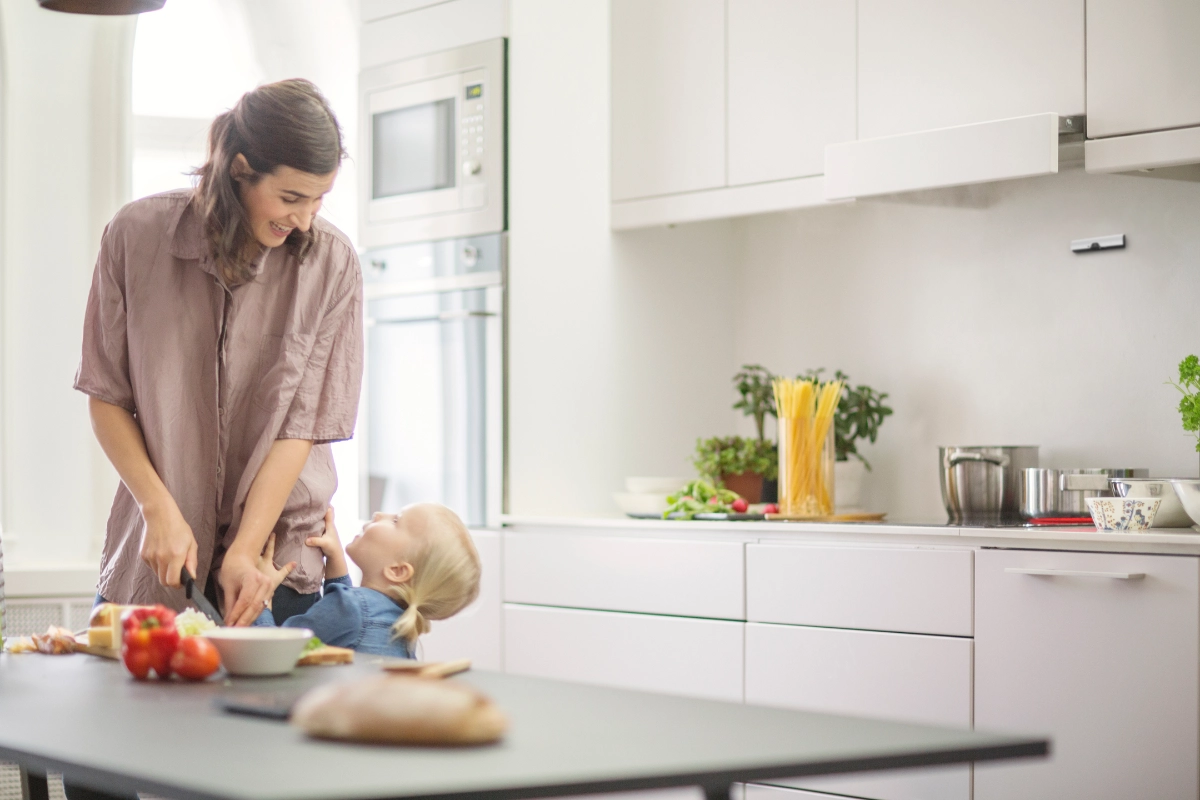
Airis stove guard has a number of smart features that help to prevent kitchen fires from starting:
- Patented infrared analysis constantly monitors cooking surfaces
- AI-developed algorithms to detect when food is starting to burn
- Airis checks for human presence at the stove and can cut the power if cooking overheats while unattended Unlike other stove guards that rely on a single sensor, Airis uses multiple sensors to monitor cooking behaviour patterns, meaning that users can continue to cook as they always have without false alarms.
Stove guards are particularly impactful in:
- Social housing
- Supported living
- Student accommodation
- Homes with elderly residents For housing providers, preventative technology can reduce fire risk, property damage, and protect residents.
If you have questions, we’re here to help
We can call you back, or you can contact us by phone on 0208 798 3462 or click on ‘Contact Us’ to send us a message.
Rated 5 stars by our customers
What should you do if a kitchen fire starts?
Even with the best precautions, accidents can still happen. Knowing how to react in an emergency can make the difference between a minor incident and a major disaster:
- Grease fire? Never use water. Instead, turn off the heat if possible, smother it with a metal lid or use a fire blanket
- Oven fire? Turn off the heat and keep the door closed to contain the flames
- Microwave fire? Unplug the appliance and keep the door shut
- If a fire is out of control, evacuate immediately and call 999
Final thoughts on kitchen fire safety
Cooking is a daily necessity, but fire safety should be just as routine. By staying attentive, choosing the right oils, and investing in smart technology, you can significantly reduce the risk of kitchen fires.
Remember, prevention is always better than reaction. Whether it’s ensuring pets and children stay safe, installing the right safety devices, or simply staying present while cooking, small habits make a big difference in fire safety.
Most kitchen fires are preventable. Small behavioural changes, combined with modern preventative systems, can significantly reduce risk.
If you have questions, we’re here to help
We can call you back, or you can contact us by phone on 0208 798 3462 or click on ‘Contact Us’ to send us a message.

Rated 5 stars by our customers

Kitchen fire safety FAQs
What temperature does cooking oil catch fire?
Most common cooking oils ignite between approximately 300°C and 370°C, but visible smoking occurs much earlier. Once oil reaches its ignition temperature, flames can develop rapidly.
Is vegetable oil safe for frying?
Vegetable oil is generally suitable for frying, but smoke points vary depending on the blend. Avoid overheating and never leave oil unattended.
Should smoke alarms be installed in the kitchen?
Smoke alarms should usually not be placed inside kitchens due to false alarms. They should be installed nearby in circulation spaces, following UK fire safety guidance.
Are elderly people at higher risk of kitchen fires?
Yes. Reduced mobility, memory impairment, and slower reaction times can all increase risk. Preventative measures and stove guards can significantly reduce danger.
Can a stove guard completely prevent fires?
No system can eliminate all risk. However, certified stove guard systems for electric hobs can significantly reduce fire risk by automatically disconnecting power if unsafe cooking conditions are detected.
References
- UK Home Office: Fire Statistics Data Tables (updated January 2026)
- Comfort Care at Home: Fire Safety For Older Adults – Experts Tips From London Fire Brigade
- Smoke Point – Wikipedia
- Smoke Point of Oils for Healthy Cooking – Jonbarron.org