A false alarm is still alarming – here's why...
False alarms can trigger building-wide evacuations in flats, student accommodation, and care settings — even when there is no fire. Repeated false alarm activations can lead to so-called ‘alarm immunity’ amongst residents, which can lead to slower, less confident, and more complacent responses over time. It’s not just the nuisance and disruption to routines that make false alarms problematic – frequent fire service callouts can create significant operational costs, and alarm activations can be genuinely distressing for vulnerable residents.
Fortunately, there are ways to improve the situation. Taking a proactive approach to fire safety can help to reduce the number of false alarms, along with the disruption, stress, and cost that they bring.
A false alarm often starts with something mundane: overheated toast, oil beginning to smoke, or food left under the grill for too long. Smoke — or even just cooking fumes and vapour — can reach a detector before anyone notices a problem.
In a family home, that might be an inconvenience; in shared or managed buildings, the same event can trigger much wider consequences.
How do linked alarm systems turn burnt toast into a callout?
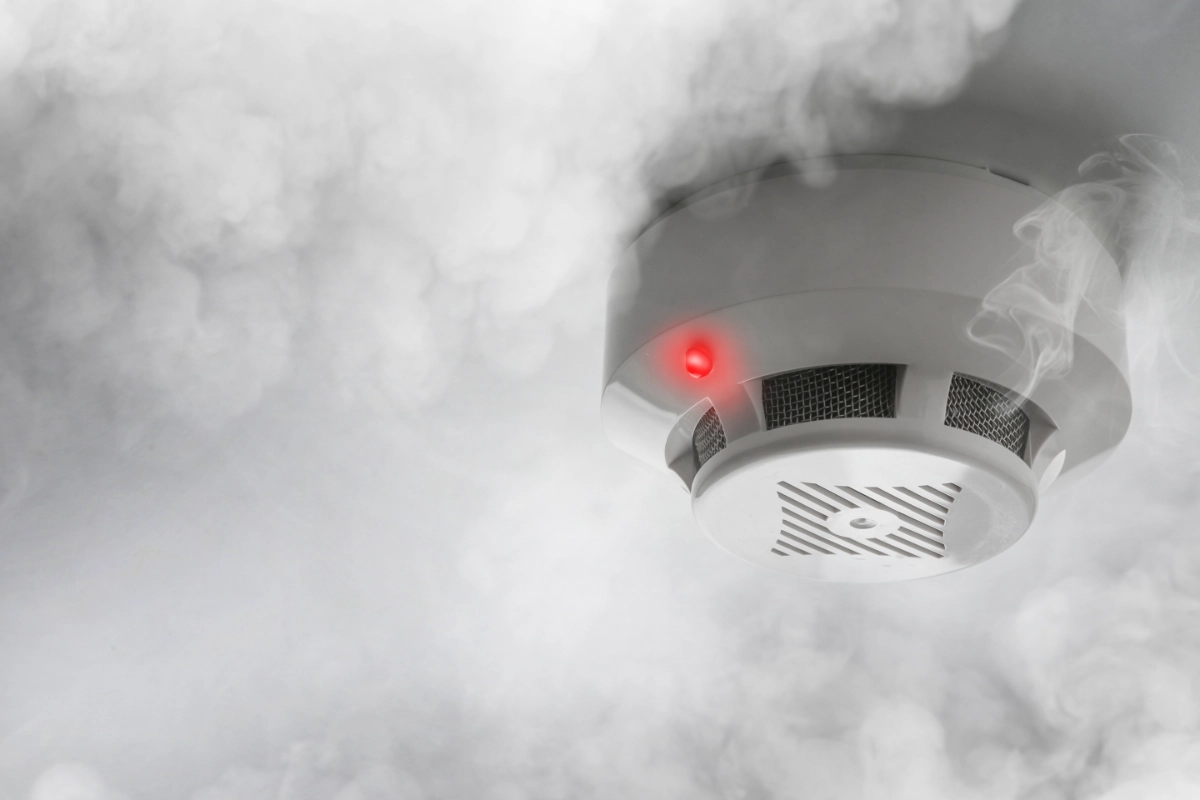
Many multi-occupancy buildings use linked detectors connected to a central alarm panel. The benefit is obvious: if one area detects smoke, everyone is alerted quickly. The downside, however, is everyday cooking smoke can become a building-wide incident: residents are evacuated, staff time is lost, and fire services may be called out unnecessarily.
If a sprinkler system is present, the cost of the false alarm skyrockets: cleaning and repair bills from water damage, lengthy negotiations with insurers (not to mention increased premiums), and the potential need to rehouse residents while repairs are carried out.
Why frequent false alarms lead to complacency

False alarms don’t just waste time. Over time they can actually change behaviour[1].
When people expect alarms to be “nothing”, they may delay leaving the building, wait for confirmation before acting, or even ignore instructions because previous alarms were false.
This matters most in the rare scenario when an alarm is a genuine emergency. The goal isn’t to reduce sensitivity — it’s to reduce avoidable activations so alarms keep their meaning.
Frequent alarm activations might be caused by a safety device reacting in a situation when it didn’t need to. It’s always better to be safe than sorry, but it also shows that the device is not behaving as it should.
In the home, a false alarm might be an annoyance. In flats, student accommodation, or care homes it can result in widespread disruption, leaving people unable to work or study. Or worse – leave vulnerable people confused and anxious while support staff are run ragged until the “all clear” is given by the authorities.
False alarms and their impact on mental health

For a vulnerable or elderly person living alone, alarm activations can be distressing. The simple act of burning toast or smoking oil can cause panic, or exacerbate existing health problems and create a dangerous situation where aid is far away. This is especially prevalent in the wake of the Grenfell Tower fire, which left many residents questioning the integrity of their homes and how they can remain safe in the event of a fire. The tendency for elderly and other vulnerable people to be forgetful further increases the likelihood of false alarms from unattended cooking.
What causes false alarms in kitchens?
Kitchen-related false alarms typically come from one of four areas[2]:
- Normal cooking vapours and brief smoke (toasting, frying, searing)
- Incorrect detector type or placement (wrong type of device, on one that is too close to the cooking area) – Poor ventilation
- Detector maintenance issues (dust/grease contamination, ageing detectors, battery problems)
If you manage a building, it’s worth treating false alarms as a signal: either the environment is producing avoidable smoke, or the detection strategy needs to be looked reconsidered.
Practical steps to reduce false alarms safely
These steps are often low-cost and immediately helpful:
- Check detector type and location are appropriate for the space (especially kitchens and open-plan layouts)
- Improve extraction and airflow and make it easy for residents to use (clear controls, visible reminders in shared kitchens)
- Reduce high-smoke cooking practices where risk is elevated (especially for vulnerable residents)
- Regularly maintain and test detectors and replace units that are out of service life
- Review recurring “problem” residences and treat them as a targeted safety improvement project, rather than a nuisance
Where cooking risk is a known issue (for example, residents who leave pans unattended, or where open-plan layouts route cooking vapour directly to detectors), prevention at source becomes a sensible part of the strategy.
How proactive fire prevention can reduce smoke and false alarms
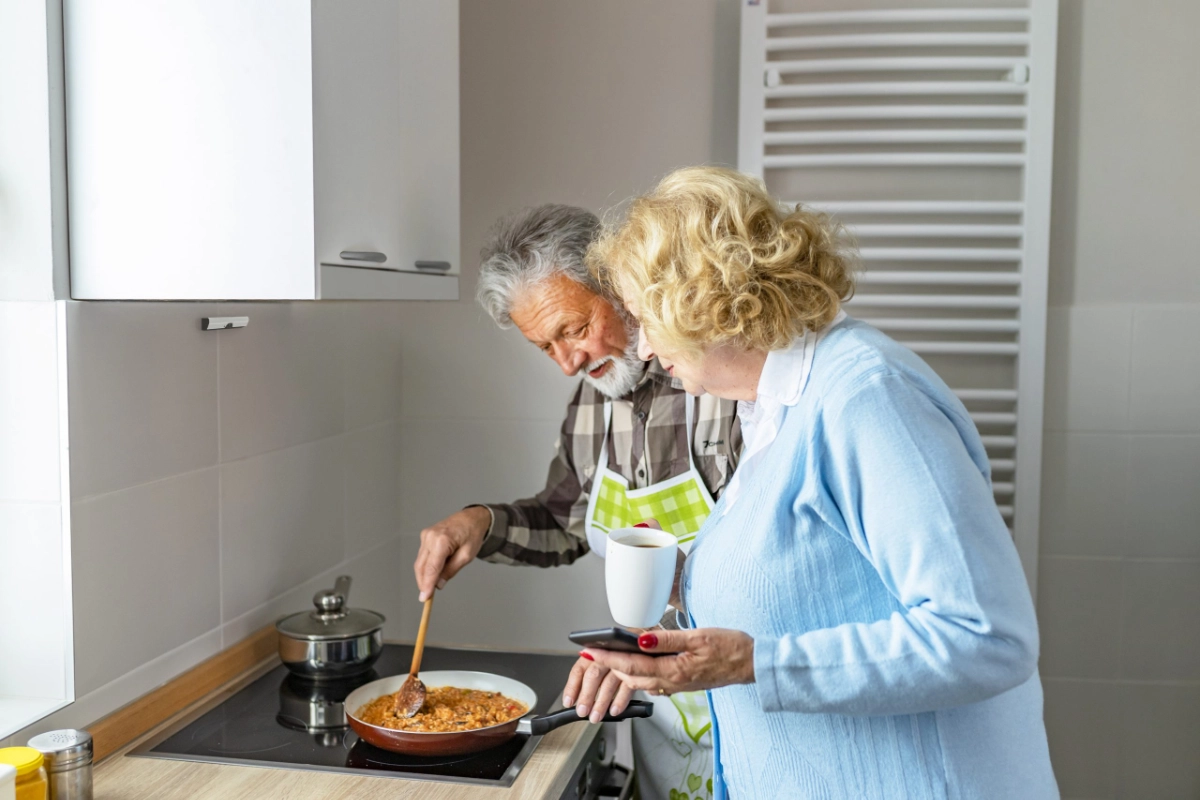
Cooking is one of the most common causes of domestic fires in the UK[3], and also one of the most common sources of unwanted false alarms.
Proactive fire solutions reduce fire risk and false alarms by intervening before ignition can take place: stove guards are designed to monitor the hob and cut power to the cooker if a dangerous situation – such as excessive heat levels, or an unattended pan – is detected.
Airis stove guard uses advanced sensing technology and AI-driven algorithms to minimise smoke and fire risk:
- fewer alarms are triggered by preventable smoke
- residents experience less disruption and stress
- elderly and vulnerable residents maintain independence
- staff time is not taken up with unwanted false alarms
- alarms remain credible for genuine emergencies
Summary: reducing false alarms improves safety, not just convenience
False alarms are more than just a nuisance: they create disruption, encourage slower responses over time, and can be genuinely distressing — especially for vulnerable residents. They also cost lives by preventing fire and rescue services from attending genuine emergencies.
Residential settings that suffer from unwanted false alarms can be improved through improving the existing detection strategy, following correct maintenance protocols, and integrating proactive technology such as stove guards into their fire safety plan.
False Alarm FAQs
What is a false fire alarm?
A false fire alarm is when a detector or alarm system activates even though there is no fire. In kitchens, it is often triggered by smoke from cooking, burnt toast, or overheated oil.
Why do false alarms happen so often in kitchens?
Cooking can produce smoke and cooking fumes that rise quickly. If a detector is close to the kitchen (especially in open-plan living spaces), normal cooking can be enough to trigger it — particularly when ventilation is poor, or not used.
Are false alarms just an inconvenience?
Not always. In blocks of flats, student accommodation and care settings, a single activation can cause widespread disruption, evacuations, increased staff workload, and sometimes fire service callouts. Repeated exposure to false alarms can also lead to residents not treating genuine alarms seriously.
How can stove guards help reduce false alarms?
Stove guards are designed to intervene early in cooking situations to reduce overheating, smoke, and the likelihood of a cooking incident escalating. By preventing smoke before it builds, it can help reduce nuisance alarms — while leaving the alarm system to do its job for genuine fires.
If you have questions, we’re here to help
We can call you back, or you can contact us by phone on 0208 798 3462 or click on ‘Contact Us’ to send us a message.

Rated 5 stars by our customers

References
[2] London Fire Brigade: Fire Safety Guidance Note – Managing and reducing false alarms (PDF)